DAVAO CITY, Philippines—A movement pushing for a genuine anti-political dynasty law is targeting 110,000 signatures from Davao City as it relaunches its signature campaign through a digital platform, seeking broader restrictions on political families holding public office.
Ateneo de Davao University leads the Dapat Isa Lang Movement in the city. The movement aims to contribute to a nationwide target of approximately 7.5 million signatures through a People’s Initiative.
The digital platform seeks to make participation more accessible and encourage Davao residents to be involved in the proposed legislation.
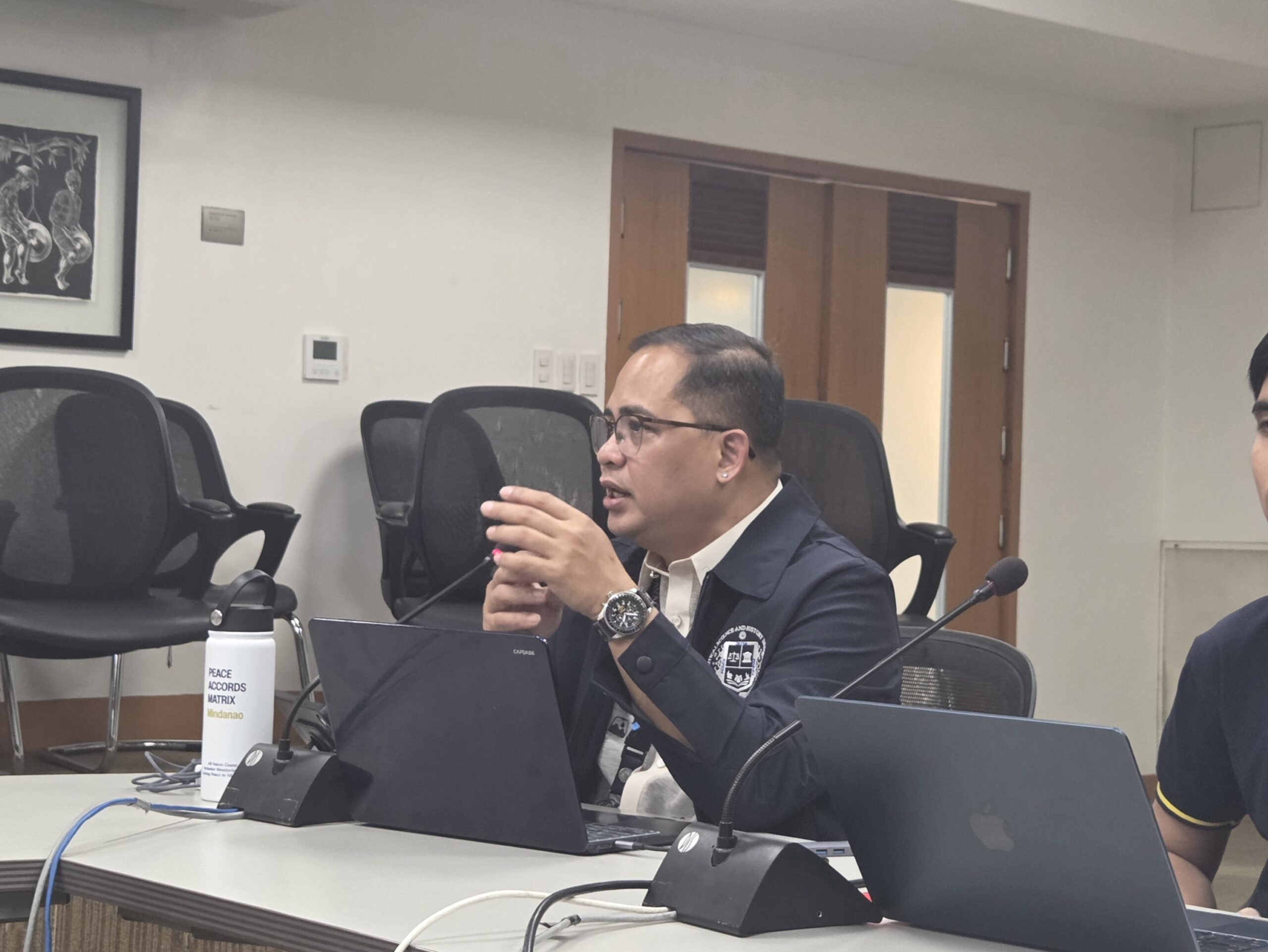
Lawyer Romeo Cabarde Jr., director of the Ateneo Public Interest and Legal Advocacy Center (APILA), said the campaign goes beyond collecting signatures, emphasizing that citizens must understand the proposed law before deciding whether to support it.
“One of our campaign objectives is to make the people understand the ill-effects of political dynasties. This is also a political education campaign for our residents in Davao City. The technology makes participation a lot easier, but it is the people who make the participation a lot more meaningful,” Cabarde said in Cebuano.
The relaunch comes after the Supreme Court announced on Sept. 16 that Congress has a mandatory constitutional duty to enact an anti-political dynasty law, ruling that its failure to do so for 39 years constitutes grave abuse of discretion.
The court directed Congress to enact the law at the earliest opportunity, define political dynasties and determine the scope of the prohibition.
Cabarde said the movement considers the House of Representatives’ version of the proposed Anti-Political Dynasty Act insufficient, arguing that its restrictions do not cover a broad enough range of family relationships.
House Bill No. 8389, which was approved on third and final reading on June 3, prohibits spouses and relatives within the second degree of consanguinity or affinity from simultaneously seeking or holding elective positions within the same political jurisdiction.
Cabarde said the movement wants the proposed law to cover relatives up to the fourth degree of consanguinity or affinity, including first cousins, aunts and uncles, to prevent family members from occupying government positions simultaneously or successively.
He also acknowledged the continued public support for local political families like the Dutertes, but maintained that the Constitution calls for political dynasties to be prohibited.
“We respect their decision if they still believe in the political families that’s governing them as of the moment. But we cannot also deny the fact that our Constitution itself orders the prohibition of political dynasties. We’re simply fulfilling the wishes and dreams of our Constitution.”
Youth participation
Mickyla Loriene Almadin, president of the Samahan ng mga Mag-aaral ng Pamantasang Ateneo de Davao (SAMAHAN), said students have a stake in political reform because the country’s leadership and institutions shape the opportunities available to future generations.
“We need legislation that gives qualified and committed individuals a fair opportunity to serve regardless of their family name or political connections,” Almadin said.
She said the campaign also calls on young people to participate in governance beyond elections, emphasizing that political reform should not be treated as an issue exclusive to politicians.
“We want a system where public service is defined by a person’s commitment to serve rather than by the political influence they inherit. This is also where the role of the youth comes important.”
Almadin added that students’ responsibility extends beyond their school communities, saying democracy requires an informed and engaged citizenry that continues to hold institutions accountable between elections.
Digital signature campaign
Under the digital process, signatories must visit the movement’s website, read the proposed bill and petition, provide their registered voter information, upload a handwritten signature and submit a selfie holding the signed paper.
The platform provides versions of the petition in English, Filipino, Bisaya and Ilocano.
Cabarde emphasized that collecting signatures is only one stage of the People’s Initiative. The petition must still meet the applicable requirements and undergo verification by the Commission on Elections (COMELEC) before proceeding to the next stages of the initiative.
“We are not simply encouraging people to click a button. We are encouraging them to understand the proposal and participate responsibly,” he said. (davaotoday.com)