COTABATO CITY, Philippines—Marked by poverty, limited opportunities and recurring conflict, residents of the Bangsamoro region pin their hopes on new leaders who can help address problems they have endured for years.
The first Bangsamoro parliamentary elections offer more than a chance to choose political leaders. For many in the region, the polls represent a step toward self-governance and lasting peace after decades of armed conflict and political struggle.
The elections raise an immediate question for communities across the region: Will the new system of governance bring meaningful changes to their daily lives?
Campaign posters bearing the faces and platforms of candidates and political parties line the roads, highways and town centers across the two Maguindanao provinces.
For residents who see these posters every day, the hope is straightforward: the election will be different and the leaders they choose will deliver the changes they have longed desired.
Hopes for change
In Shariff Aguak, a second-class municipality in Maguindanao del Sur, residents hope the election will pave the way for better governance, development and livelihood opportunities.
“We have long wanted change, so we hope it finally becomes a reality now because this election is truly for us,” tricycle driver Harodin Mangindao told Davao Today, speaking in Tagalog.
Mangindao’s hopes are shaped by what he witnessed in previous elections, including vote-buying and other irregularities before and during election day.
Vote-buying has become a practice in the community, he said, with some candidates allegedly using money and other means to secure votes and gain an advantage.
“We hope this will be different from previous elections, which were always chaotic. That is what the people really want,” he said.
Other tricycle drivers in the town shared similar experiences, witnessing election-related irregularities in their communities.
Despite this, they have already made their choices and are prepared to vote for the candidates they believe could bring change.
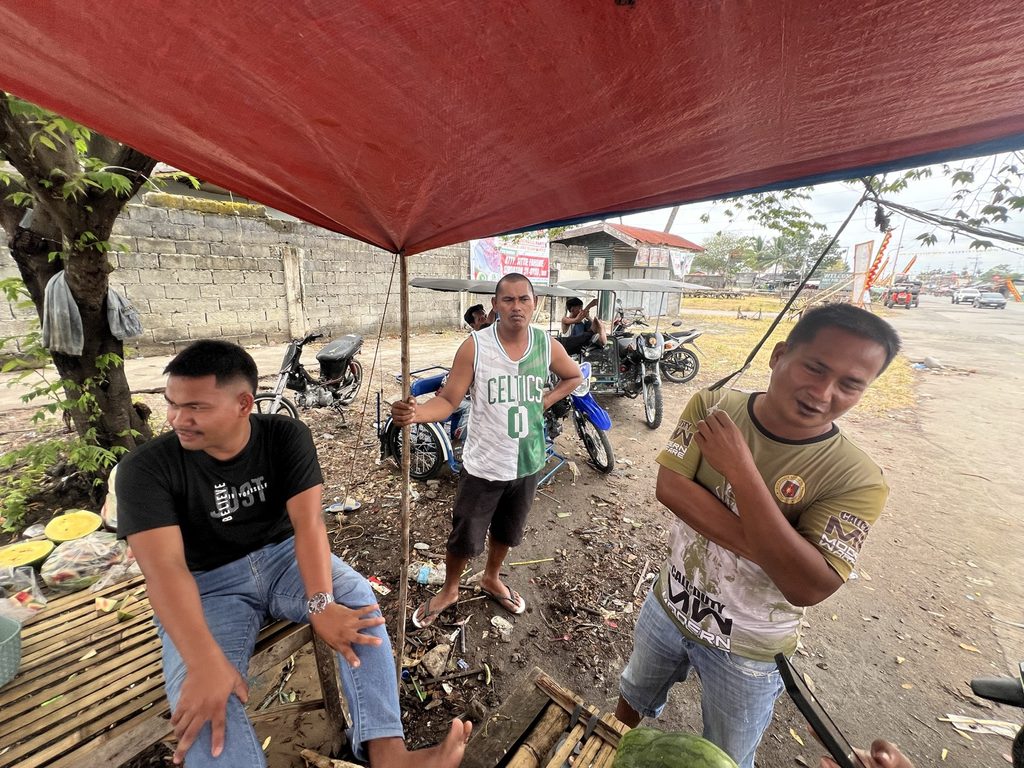
Tricycle drivers in Shariff Aguak, Maguindanao del Sur, share their hopes for a peaceful election as they recounted their experiences of living in a conflict-affected community. (DAVAO TODAY Photo/Kath M. Cortez)
For 40-year-old tricycle driver Nasser Mantil, from Barangay Labo-Labo, the election is an opportunity to expand opportunities and improve living conditions for residents who have long awaited meaningful changes.
“Politicians have been in office for a long time, but nothing has changed. In fact, there could be significant improvements within a month because the municipality receives a large Internal Revenue Allotment (IRA), nearly 10 million pesos or more. If those funds were properly implemented, many changes could be made in our community within two months. But for a long time, nothing has been implemented — from the governor down to the local level. Even the barangay captain has done nothing,” Mantil said in Tagalog.
Having grown up witnessing conflict in his community, including rido, or clan-based conflict, Mantil said these disputes had also hindered development.
For him, addressing rido is inseparable from the pursuit of peace and progress. He said it must be addressed to build safer communities and change the long-standing perception of Maguindanao as a “critical area.”
For residents like Mantil, the election is more than a choice between political leaders. It is also a test on how the new parliamentary system can break from political practices and cycles of conflict that have kept communities from fully realizing their potential.
A mother’s longing for education
Watermelon vendor Johaira Manginsang has a simpler but equally urgent aspiration, to keep her five children in school and give them a chance to escape poverty.
Manginsang sees education as one of the few paths to a better future for her children. But selling fresh fruits from their farm provides just enough to get by, making it difficult to cover the costs of raising and educating a family.
She hopes free and accessible education will become a priority of the next Bangsamoro government, particularly for families like hers that must balance sending their children to school with the daily struggle to earn a living.
Greater access to education, she said, could help reduce violence and conflict in communities while creating opportunities for development—something residents have yet to fully experience.
“Education is important because many people here were unable to finish school, which is why they continue to struggle. They have few opportunities to study because earning a living is often the priority,” she explained in Tagalog.
Manginsang said no one chooses to remain poor or live in fear.
She believes that providing equal opportunities, particularly in education and livelihood, could help Muslim communities improve their living conditions and break the cycle of poverty.
The parliamentary election, she said, is an opportunity to choose leaders who understand the realities of ordinary people and can create policies that respond to their needs.
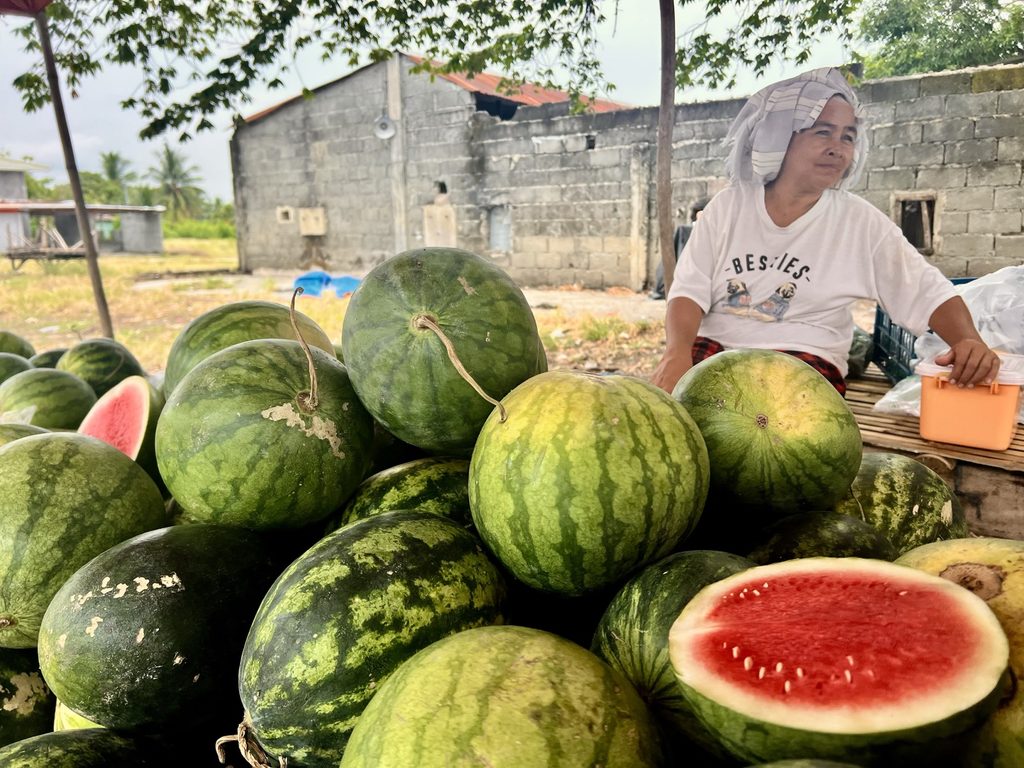
Johaira Manginsang who sells watermelon along Shariff Aguak National Highway has a simple hope: to provide her children the opportunity to go to school and, eventually, lift their family out of poverty. (DAVAO TODAY Photo/Kath M. Cortez)
A life waiting for change
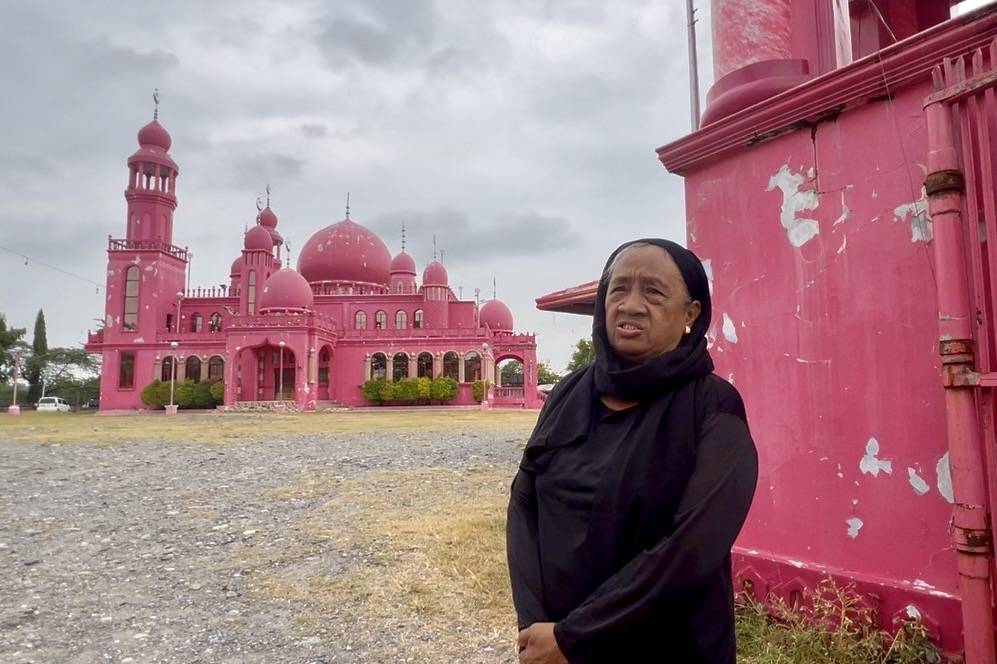
For 60-year-old Hadija Bansin of Barangay Salbo in Datu Saudi Ampatuan, Maguindanao del Sur, the desire for change comes from a lifetime of witnessing poverty in her community.
The changing faces of politicians, she said, have brought little significant improvement to the lives of ordinary residents.
Aside from a handful of local government infrastructure projects, Bansin has yet to see improvements substantial enough to transform how families in her community live.
She does not want her children to inherit the same hardships she has endured, particularly the fear and uncertainty caused by recurring conflict.
For Bansin, it is an opportunity to elect leaders who understand the struggles of communities like hers and can turn promises of change into concrete improvements in people’s lives.
She believes choosing and voting wisely is an important first step toward breaking the cycle of poverty, insecurity and underdevelopment that residents have endured for generations.
For Mangindao, Mantil, Manginsang and Bansin, the promise of the first Bangsamoro parliamentary elections will not be measured by the number of posters along the highways or the political names on the ballot.
It will be measured by how people can live with less fear, find decent opportunities, send their children to school and see their communities move forward. (davaotoday.com)