
DAVAO CITY, Philippines—Lawyers believed implementation and funding will determine the impact of the new Supreme Court Rules on Institutionalizing Support for Developmental and Social Change Lawyering, or DSC Rules, that support people’s lawyering.
Promulgated on Aug. 26 and announced to the public on Oct. 23, the DSC Rules could expand legal assistance to marginalized communities in Mindanao.
Lawyer Arvin Dexter Lopoz, spokesperson of the Union of Peoples’ Lawyers in Mindanao (UPLM), said the rules formally recognize human rights and people’s lawyering as legitimate career paths after years without institutional recognition.
“Alternative Lawyering and Human Rights or Peoples’ Lawyering did not have any official recognition within the legal community before. Law deans and law professors even looked down on ‘ alternative lawyering’ as somewhat an illegitimate undertaking,” Lopoz said.
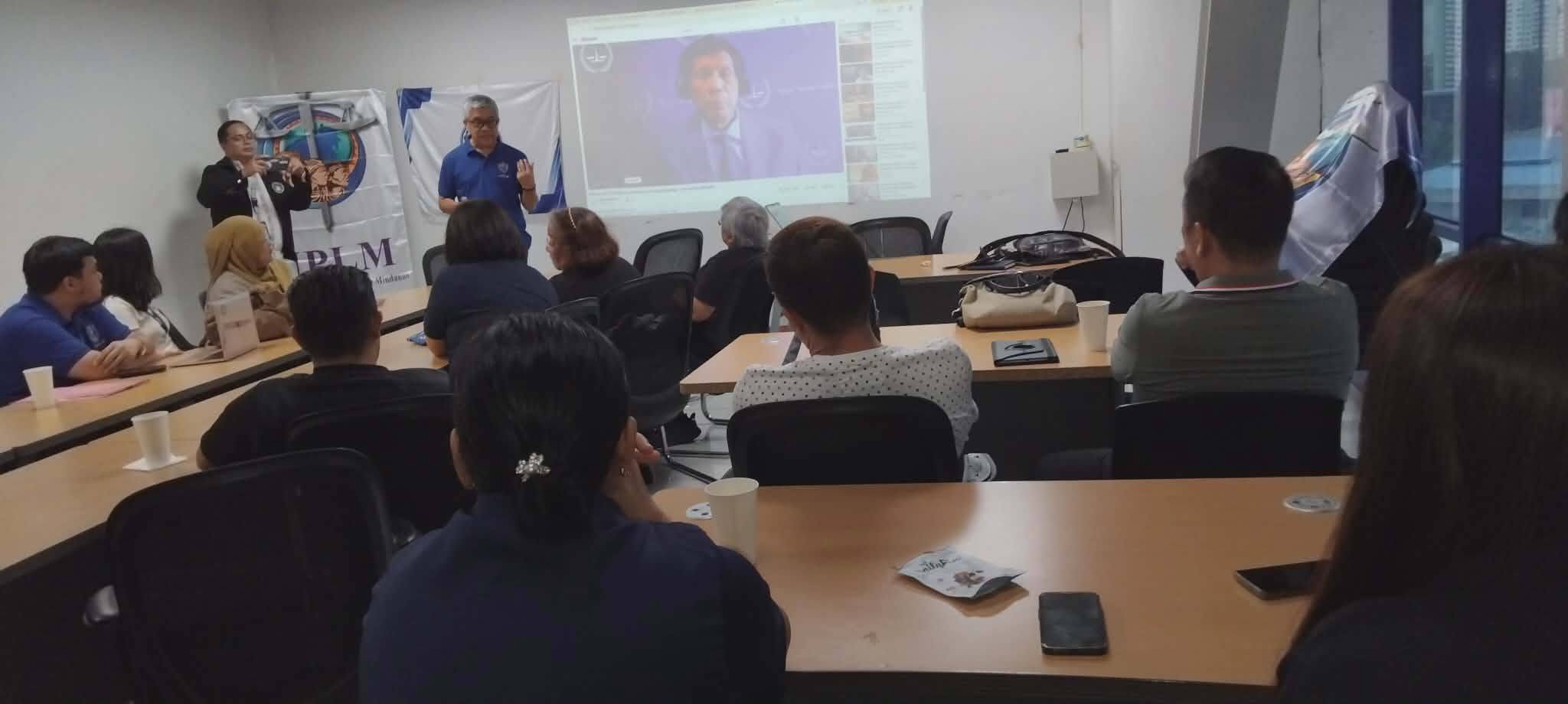
In a statement on Oct. 24, UPLM said the rules could help bridge the gap between marginalized communities and the justice system, drawing on its work with farmers, Indigenous Peoples, workers and other sectors across Mindanao.
“The practice of law is not a luxury reserved for the powerful and those who can afford it, but a potent instrument for social justice,” the statement read.
UPLM also said it was ready to help implement the rules with the Supreme Court, the Integrated Bar of the Philippines (IBP), law schools and other advocates.
Support beyond legal aid
The DSC Rules establish a framework for accrediting nonprofit organizations whose lawyers work full-time with marginalized, vulnerable, disadvantaged and underserved communities.
Eligible groups must have operated for at least five years and meet financial transparency requirements. Accredited organizations may apply for grants, receive litigation-fee exemptions and access protections against strategic lawsuits against public participation (SLAPP).
At least 60% of approved financial grants must go toward personnel support. The rules also allow for emergency security measures for personnel facing actual and imminent threats to their life, liberty or security.
The DSC Rules complement the Supreme Court’s Unified Legal Aid Service (ULAS) Rules, which require covered lawyers to provide 60 hours of pro bono legal services over three years.
Lopoz said the additional support could help address gaps in legal assistance, including in cases involving political detainees.
“ULAS is designed to serve all indigent clients. However, even PAO lawyers sometimes decline handling public interest cases and criminal cases involving political prisoners. That is where the DSC rules now come in,” he said, referring to the Public Attorney’s Office.
“With the possible incentives for alternative lawyers, it will add more resources to the meager ones that we have right now. This will go a long way as we continue to encourage, inspire, and welcome young lawyers into the fold of alternative or DSC lawyering,” Lopoz added.
Barriers to justice
Tagum City-based lawyer and law professor Angelisa Razo said the rules could help address financial and geographic barriers that prevent marginalized communities from pursuing legal remedies.
Razo’s work involves Indigenous Peoples, survivors of gender-based violence, political detainees and rural communities. Law students also join community-based legal education under her supervision.
She identified ancestral domain disputes and projects entering Indigenous communities without valid Free, Prior and Informed Consent (FPIC) among the most common legal concerns she encounters.
Other concerns include criminal cases against community members and leaders, violence against women and children, and environmental damage from quarrying, reclamation and mining.
“Behind all of these sits one problem. The courts are far, and justice costs money that these communities do not have,” Razo said.
She welcomed the provisions on litigation costs and SLAPP protection, saying these could help communities pursue cases they otherwise could not afford.
“Filing fees and litigation costs often stop a case before it starts. The exemption from legal fees removes that barrier. Protection against SLAPPs matters greatly for lawyers who defend environmental and Indigenous Peoples’ rights. These are the lawyers most often hit with harassment cases,” she said.
Lopoz also cited SLAPP protection as a key provision, saying such cases have been used by state security forces and private corporations to discourage lawyers and advocates from assisting vulnerable sectors.
He said the rules’ recognition of red-tagging as a threat to social activists and human rights lawyers was also significant.
Funding and implementation
Despite welcoming the rules, Razo cautioned that formal recognition would not automatically improve access to justice, particularly outside major urban centers.
“Most people’s lawyers, including myself, take paying cases to fund their free work. That divides their time and energy,” she said.
Institutional support could help lawyers handle cases and retain personnel instead of losing them to private practice, she said.
Razo urged authorities to ensure the DSC fund reaches provincial organizations, strengthen litigation-fee exemptions and support paralegals and interpreters who speak Indigenous languages.
Razo also warned that the five-year operating requirement could exclude smaller or newer legal aid groups in Mindanao.
“I also worry that the five-year track record requirement may leave out smaller and newer groups in Mindanao. I will watch closely how the Council applies the rules,” Razo said.
The DSC Council, attached to the IBP National Center for Legal Aid, will evaluate accreditation applications. Accreditation and applications for financial assistance are separate processes, and organizations seeking grants must submit proposals detailing their intended expenses, activities and expected outcomes.
UPLM said the rules’ success should ultimately be measured by whether they serve communities.
“This milestone belongs not to the legal profession alone, but to the grassroots communities whose struggles give true purpose to our profession,” UPLM said.(davaotoday.com)


