COTABATO CITY, Philippines—Traveling by motorized boat with her 4-month-old daughter and elderly mother, a young Moro woman cast her vote Monday, Sept. 14, in the first Bangsamoro parliamentary elections—her vote filled with hope that new leaders would deliver the services long denied to their marshland community.
Miles away in Cotabato City, a predominantly Muslim community, a Christian elderly woman who has lived alongside Moro families since the 1980s went to the polls with similar expectations to those of the young Moro mother—that the region’s new autonomous government will translate its promise of self-determination into tangible improvements for residents struggling with poverty, inadequate infrastructure and periodic unrest.
The historic vote marks a pivotal moment in Mindanao’s decades-long struggle for peace and self-governance, following generations of armed conflict, displacement and political uncertainty involving Moro, Christian and Indigenous peoples. Newly elected leaders now face the challenge to prove the Bangsamoro framework can deliver change beyond constitutional arrangements.
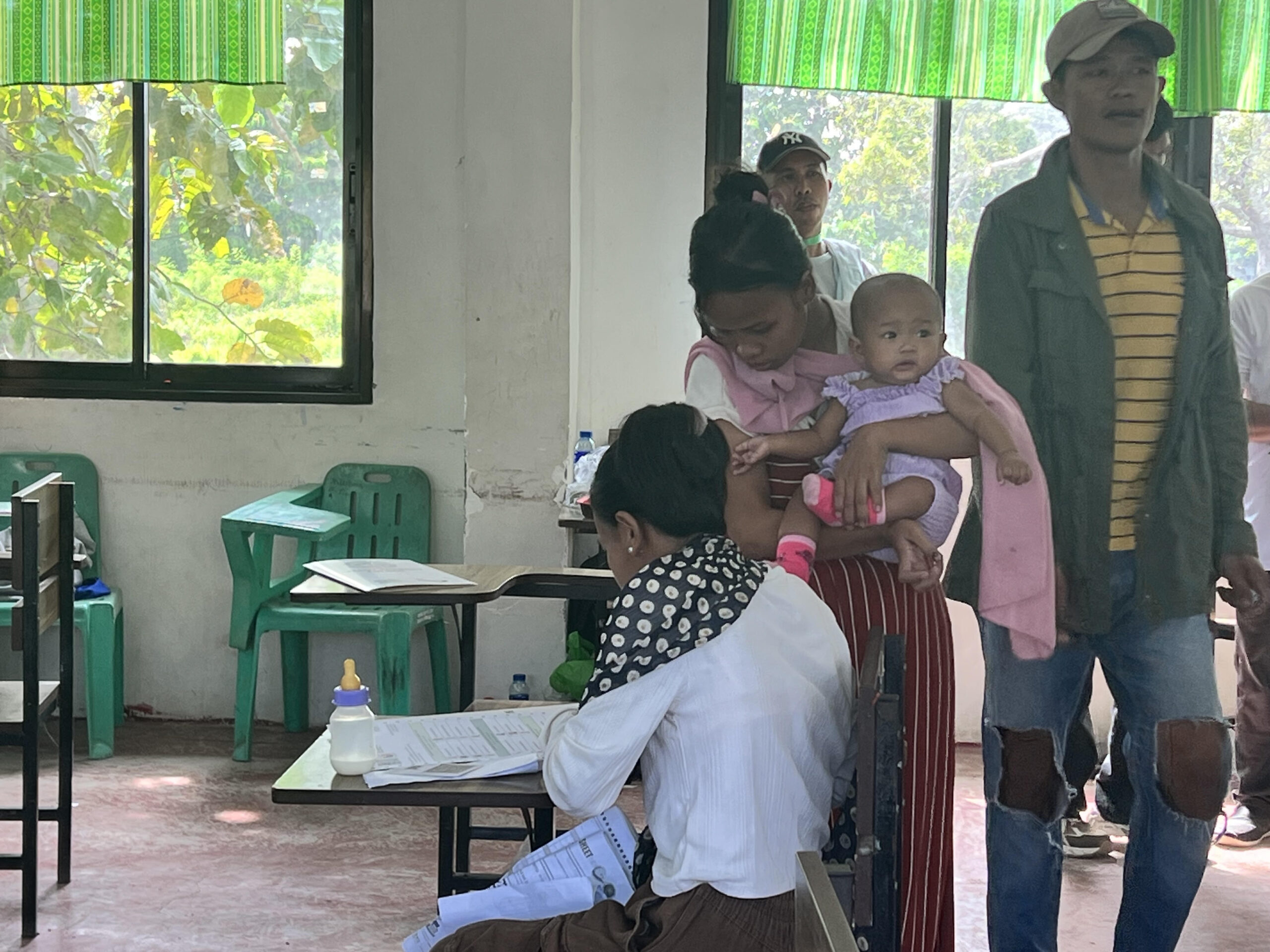
In the municipality of Pahamuddin, a Special Geographic Area under Bangsamoro administration and formerly part of the municipality of Pigcawayan in Cotabato province, the 20-year-old Baijen Moren, together with her daughter and her elderly mother queued to vote at Lower Pangangkalan Elementary School in Barangay Lower Pangangkalan, a rural barangay in Pahamuddin. They arrived early to avoid midday heat.
“We fell in line early because we wanted to get our voting done before the sun get too hot. My mother is elderly and I worried the heat would be hard on her. Plus, I have my baby with me,” Baijen told Davao Today, speaking in Tagalog.
She also assisted her mother in shading the ballot as the latter had difficulty reading the names and recognizing the candidates’ photos. At the polling precinct, several other young mothers also brought their children with them as they voted.
Her family made the journey across the wetlands of the Liguasan Marsh, where seasonal flooding can submerge roads and school grounds in waist-deep water.
Before becoming part of the Bangsamoro region, the community lacked basic government services and required lengthy trips to reach town centers. Emergency assistance proved unreliable during floods.
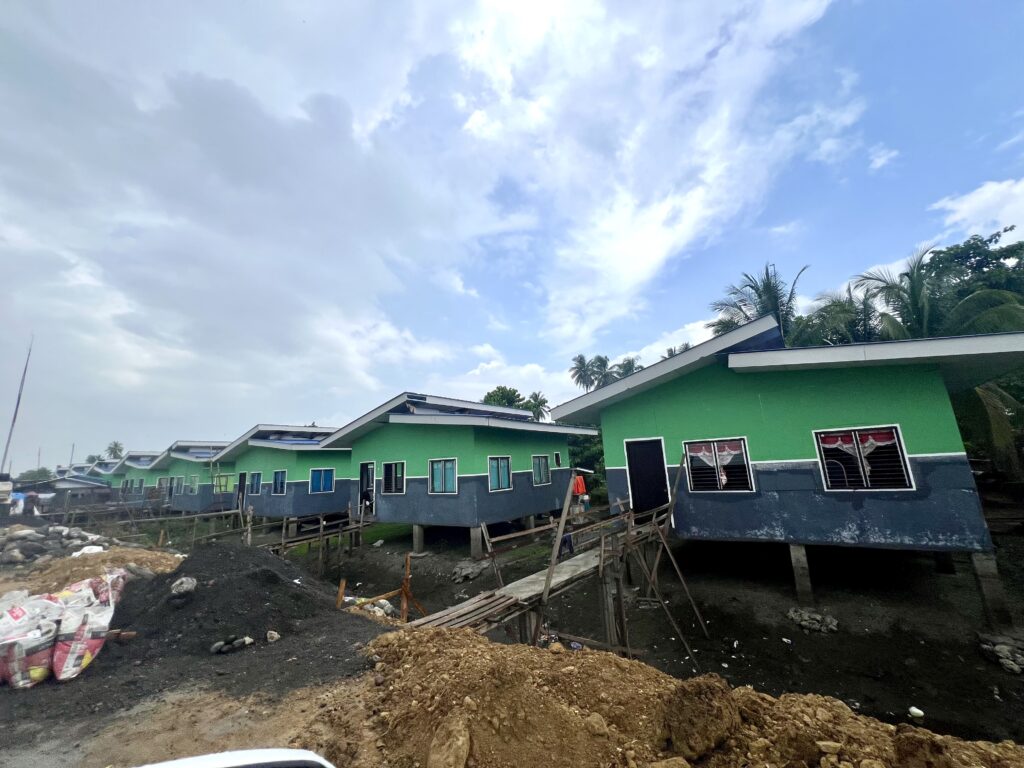
Residents credit the Bangsamoro government with constructing housing projects for marshland families and improving roads that previously became impassable mud when marsh waters rose.
Yet the broader challenges persist. Poverty remains widespread, and residents say many current politicians and their families have dominate local governance for generations.
“We believe it’s important to vote because whoever becomes leader will solve our problems,” Baijen said. “Right now, many people remain poor.”
Meanwhile, non-Muslim voters in Cotabato City emphasized their stake in shaping the region’s future despite religious differences.
Gingging, 64, said Christian and Muslim communities have long coexisted peacefully, though clan wars known as rido occasionally erupt. She recalled Christian Catholic teachers educating Muslim children and Muslim business owners partnering with Christian entrepreneurs.
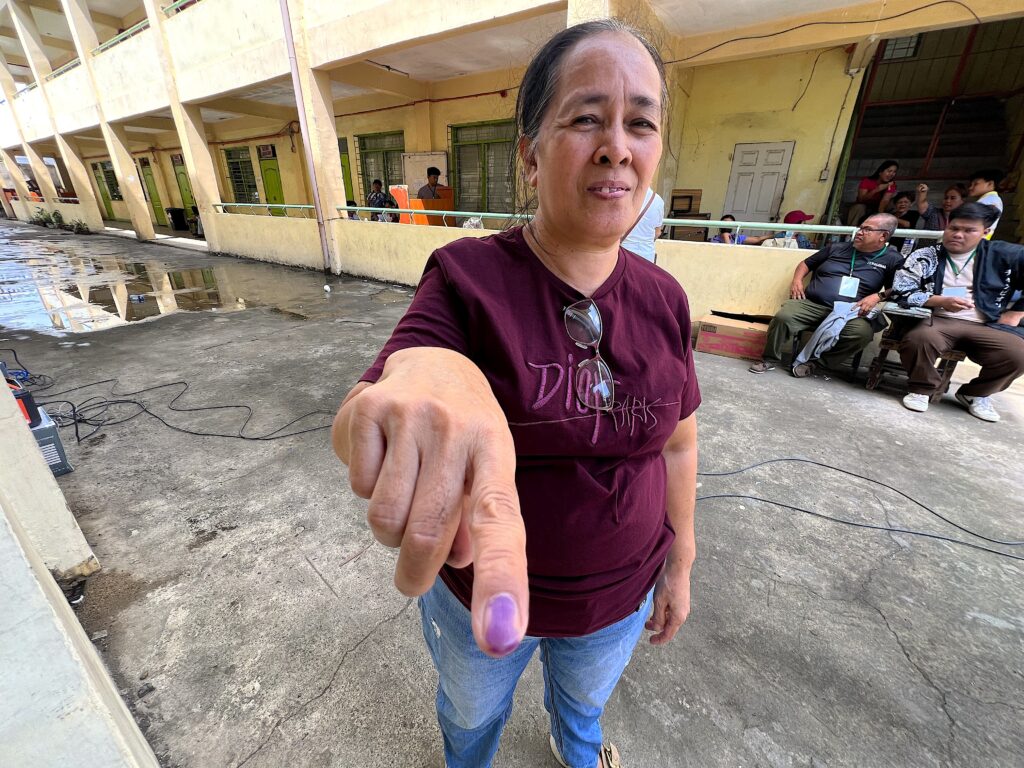
“In our area, relations with Muslims are generally fine,” she told Davao Today, speaking in Cebuano. “Sometimes there are conflicts from time to time. As much as possible, Christians don’t want to get involved to prevent escalation.”
Like Baijen, she expressed frustration with entrenched political families and urged new leaders to demonstrate results.
“These elected officials aren’t new to Cotabato’s problems. They or their families have been in politics for a long time,” Gingging said. “Maybe it’s time for them to step up and show they can still accomplish something here.”
Both mothers’ experiences reflect the aspirations of Bangsamoro residents who view the autonomy arrangement as a path toward addressing poverty, limited access to basic services and conflict that have defined their communities for generations.
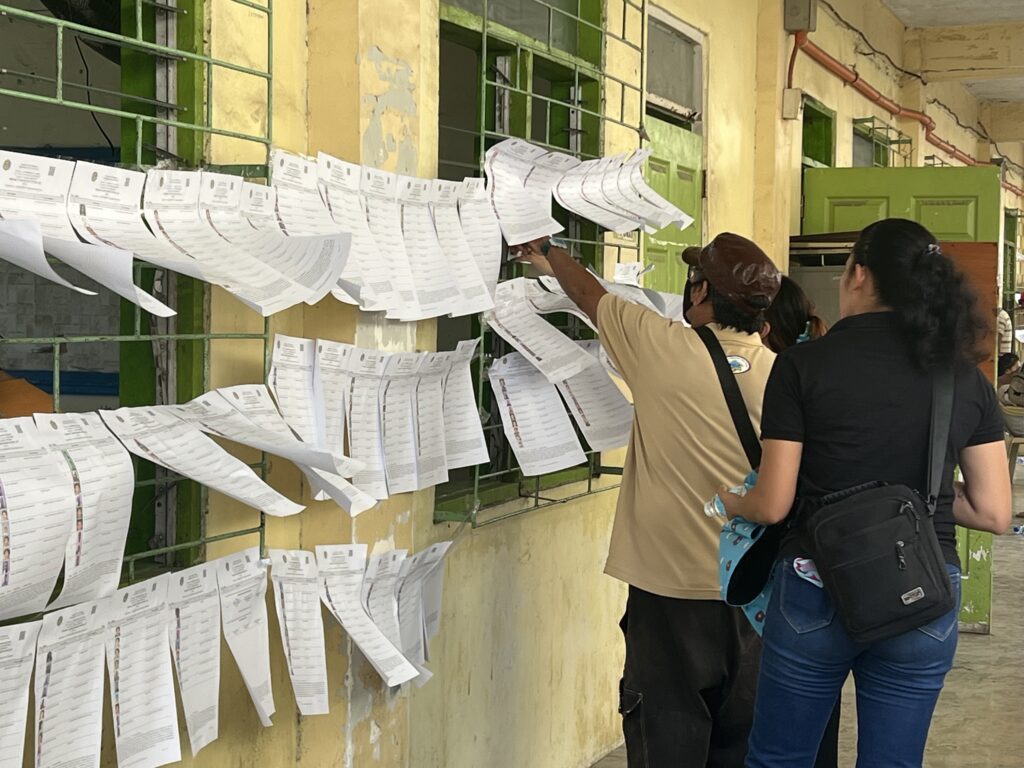
The election represents more than a change in political leadership for Pahamuddin and Cotabato City.
It poses a fundamental question about what follows: whether the Bangsamoro’s hard-won political gains will bring communities closer to lasting peace or become another milestone in a continuing struggle for genuine self-determination, social justice and improved quality of life for the next generation in Mindanao. (davaotoday.com)