
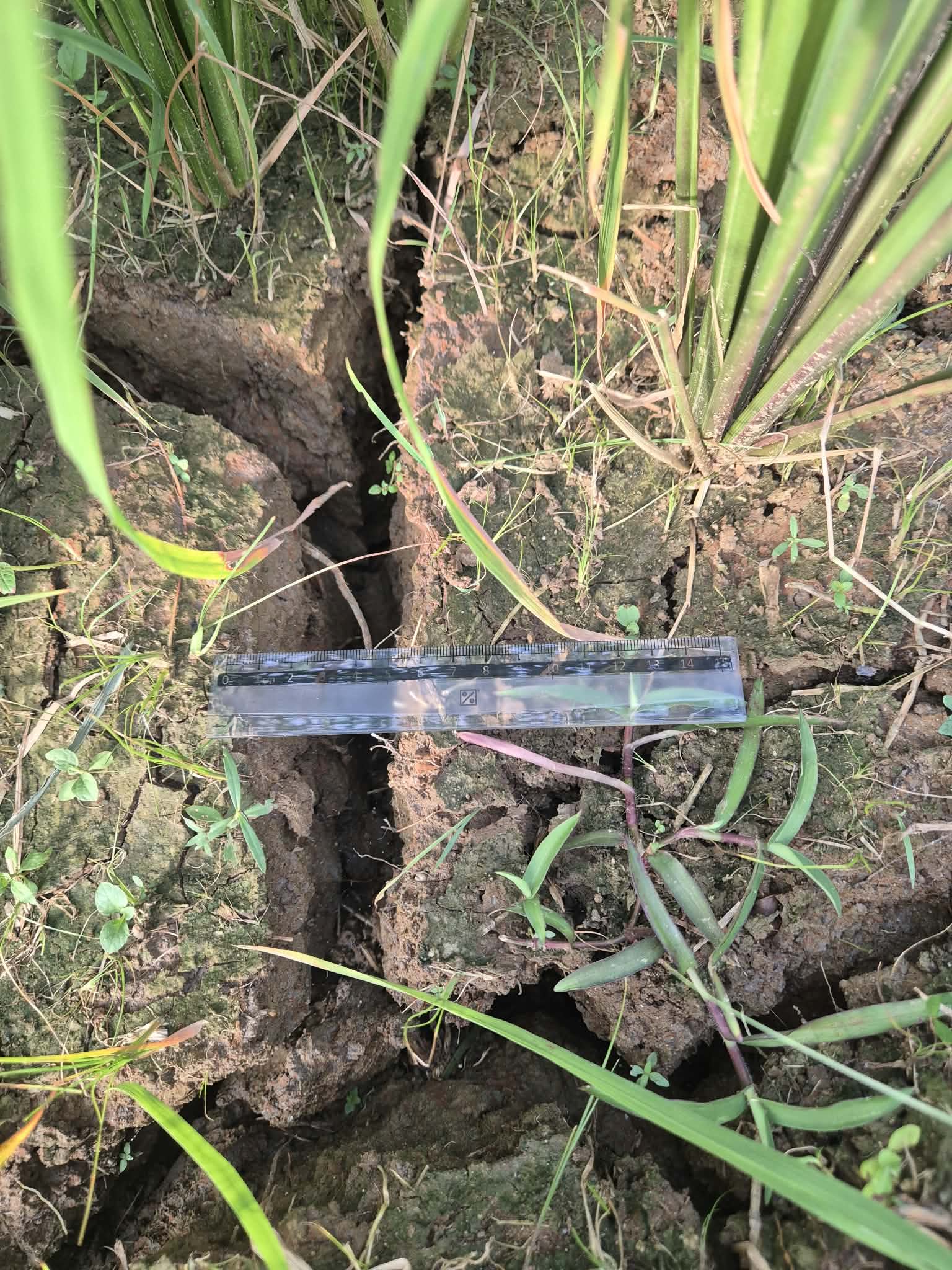
DAVAO CITY, Philippines – When the weather conditions are favorable, Enalyn Basarte’s farm usually yields 30 sacks of corn. But this dry season, her corn plants produced small kernels that failed to form proper ears.
Basarte, president of the Masupit Women Farmers Organization, planted vegetables on her farm in Lamanan, Calinan in June, taking advantage of the intermittent rain. She hoped the rainwater would be enough for the vegetables to thrive if the forecast El Niño begins.
“Our squash did not flower and the corn was very small and did not form ears,” she told Davao Today in Cebuano.
Dry weather persisted through July and August, leaving soil ‘very dry, almost powdery,” Basarte said. Other organization members report similar problems—some corn developed ears, but plants withered and yields remained minimal.
“Their corn had formed ears, but the plants withered and the ears were very small,” she said.
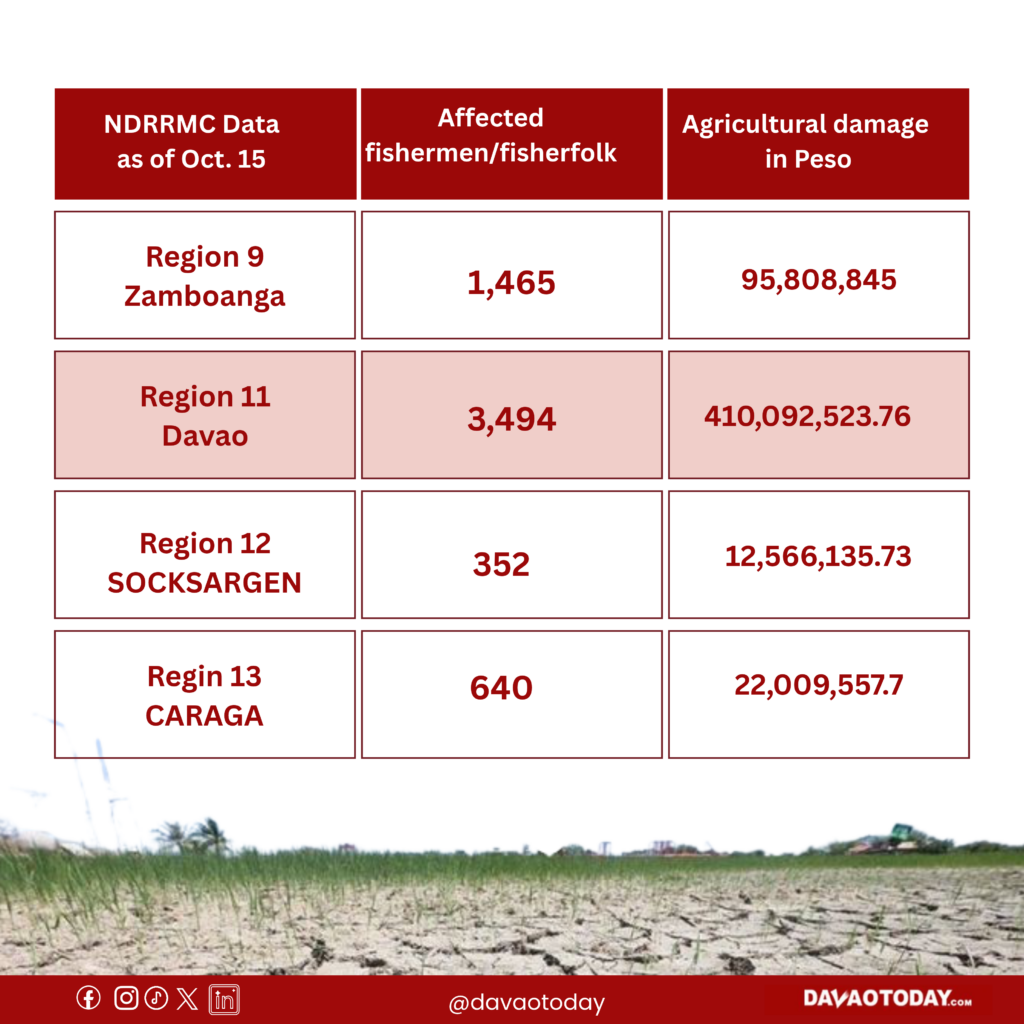
Davao region agri losses at P410 million
On its Oct. 15 El Niño report, the National Disaster Risk Reduction and Management Council (NDRRMC) recorded 109 cities and municipalities under a state of calamity, affecting 451,889 people, or 121,185 families.
The council reported the country incurred about P6.6 billion in damage to agriculture.
In Mindanao, NDRRMC data showed that El Niño has been affecting 5,950 people in farming and fishing communities in the CARAGA, ZAMBOANGA, DAVAO and Soccsksargen regions. It recorded about P540 million in agricultural losses, with Davao region posted the highest damage.
The NDRRMC also reported 39 wildland, forest and mountains fire incidents, water supply interruptions in some cities and municipalities in CARAGA. Due to extreme heat, 33 cities and municipalities in the region suspended classes in recent months.
In Mindanao, El Niño has affected the largest number of people in CARAGA, affecting 140 barangays, 291, 381 persons or 45,507 families.
Crops losses mount
MASIPAG Mindanao received reports from its members that some parts of the Davao region and Northern Mindanao, particularly in Misamis Oriental, are experiencing dry weather and crop damage, resulting in declining fruit and vegetable production.
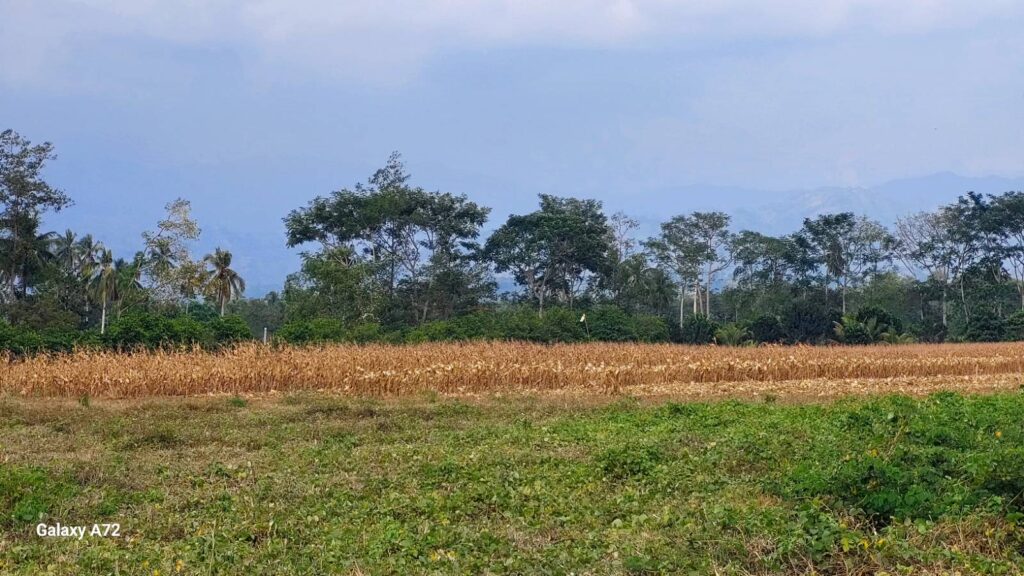
Leo XL Fuentes of Masipag Mindanao said fruit-bearing plants in some plots of 200 to 400 square meters in a South Cotabato community withered and died in July’s heat.
He said affected farmers have turned to driving motorcycles and vending goods to provide for their families daily needs
“The mothers bear the biggest burden of looking for money to sustain their families when their farming income declines.” he added, saying MASIPAG has been disseminating information on El Niño preparedness since January and it has not recorded any assistance reaching farmers within its monitoring coverage.
Calls for El Niño aid
The Kilusang Magbubukid ng Pilipinas (KMP) urged the Marcos Jr. administration to expedite El Niño aid and disclose the actual disbursement figures of the proposed P45-billion fund.
“It is not enough for the DA to say there is P45 billion for El Niño. Farmers ask: How much have they actually received, when will the others receive assistance, and how many will benefit?” KMP Secretary General Ronnie Manalo said in a statement in Filipino.
According to KMP, the Department of Agriculture (DA) has released P6.2 billion of the requested amount under the UPLIFT program: P2.2 billion for fertilizer subsidies, P1 billion for farmer fuel subsidies, P1 billion for fisherfolk fuel subsidies, and P1 billion for the Presidential Assistance for Farmers and Fisherfolk program (PAFF).
The KMP said agriculture department expects an additional P10 billion allocated for solar irrigation systems and pumps, with fuel subsidies for mechanized farmers scheduled to begin in late October or November.
DA data as of October showed agricultural damage and production losses totaling P5.56 billion across 223,497 hectares, including 41,164 hectares with total crop loss. Cagayan Valley, or Region 2, incurred the highest agricultural losses totaling about P4.9 billion.
KMP called for transparent accounting, subsidized fuel and fertilizer, irrigation infrastructure development, and guaranteed government procurement of rice.
“Assistance is needed before crops are damaged and debts increase further,” Manalo said.
Drier months ahead
The PAGASA Regional Services Division forecasts below-normal rainfall across Mindanao from October to March 2027, with way-below-normal rainfall from January to March 2027. Areas under this category are expected to receive monthly rainfall of 40% or less than the normal amount.
Some regions may experience 21 to 25 dry days per month, while portions of Mindanao could see 26 to 31 dry days during the first quarter of 2027. The outlook indicates expanding dry conditions, with drought likely becoming more widespread by March. Temperatures will remain near to above-average levels.
In its climate advisory issued Sept. 23, PAGASA said a strong El Niño active in the tropical Pacific is expected to intensify into a very strong event between September and December 2026, potentially persisting through the first half of 2027.
In a video posted on the Facebook page of the University of the Philippines on Oct.1, Dr. Rafaela Jane Delfino of the Institute of Environmental Science and Meteorology of UP Diliman explained El Niño occurs every two to seven years when weakened easterly winds allow warmer Pacific waters to shift toward central and eastern Pacific, creating drier conditions in the Philippines.
Under normal condition, easterly wind blows the warm surface water to the west across the Pacific.
Delfino said “super El Niño” is not a technical term, and neither are “super,” super-sized” and Godzilla,” which are used to describe the size of the sea surface temperature anomaly, or how much warmer it is than normal.
The anomaly had reached 2.7 degrees Celsius, and El Niño was developing toward its peak when the video was released.
Delfino recommended to plant drought-tolerant crops, utilize rainwater harvesting facility particularly in farming areas relying on rainfall, prepare dam management system and reduced household water consumption.
“But let’s not forget that we still need to prepare for heavy rains,” she said.
PAGASA warned the western Philippines could face above-normal rainfall from the the southwest monsoon and tropical cyclones.
While tropical cyclone frequency may decline through the first quarter of 2027, projections show tracks shifting southward, increasing the risk to Mindanao.
Water supply concerns
Masipag Mindanao educational materials highlight impacts on agriculture, fisheries, and water systems.
“Many farms in Mindanao lack irrigation and rely only on seasonal rainfall,” said the organization in its Cebuano language materials.
Stream and small water system drying threatens inland fisheries, reducing catches and incomes for fishing-dependent communities. Lower water levels affect fish habitats and breeding, while warm temperatures and low oxygen levels stress fish cages and ponds.
Declining surface and groundwater also pressures urban distribution systems, potentially resulting in weak water flow, supply interruptions, or water rationing depending on source capacity.
Fuentes pushes for diversified farming systems, water conservation measures, small-scale water infrastructure, and integration of suitable crops with livestock or aquaculture where feasible.(davaotoday.com)

