DAVAO CITY, Philippines—A local election watchdog urged security forces to protect voters without intimidating them after the government ordered tight security in the first Bangsamoro Parliamentary Elections Monday, Sept. 14.
Concerns over rivalry of political dynasties and the presence of armed groups prompted the heavy police and military presence to prevent unforeseen incidents that might hamper the elections and could affect the region’s transition to self-governance.
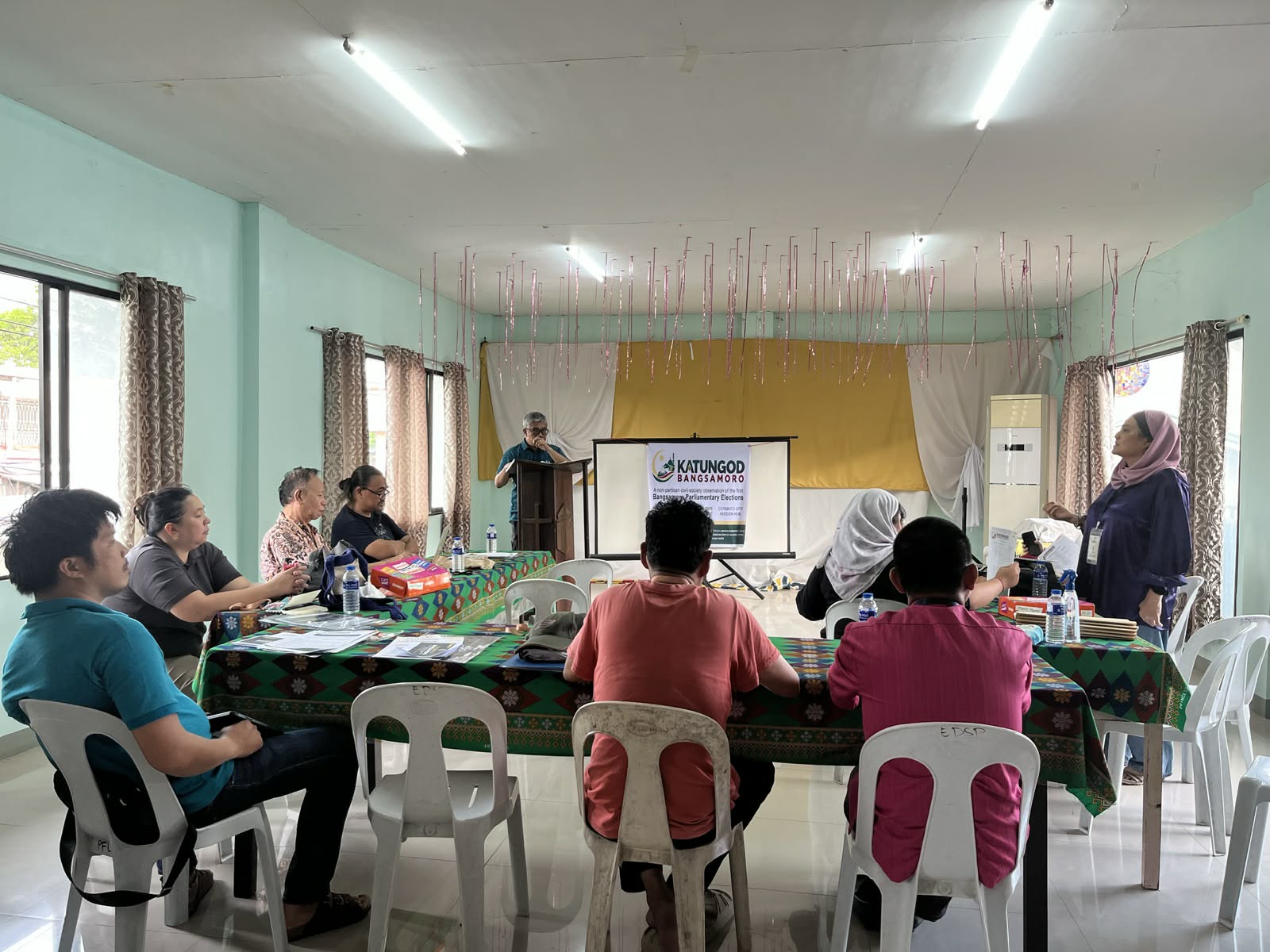
Katungod Bangsamoro, a non-partisan alliance of civil society organizations, sent observers to monitor pre-election, government officials, political parties, other stakeholders and the process of voting, counting and canvassing.
The government assured the deployment protects voters and election workers from violence and intimidation. However, Katungod Bangsamoro warned that such measures must never intimidate voters in rural and conflict-affected areas.
“Secure the ballot, but do not intimidate the voter,” the group said in a Sept. 12 statement.
The military deployment included the Sabrah light tanks, ATMOS 155mm self-propelled artillery systems and Black Hawk and T129 ATAK helicopters. They have been positioned in Lanao del Sur, where at least 10 battalions have been stationed.
The Philippine Army utilized about 12,000 soldiers and CAFGU members from 1st, 6th, and 11th infantry divisions while the police reinforced the operation with about 10,000 personnel from BARMM jurisdiction and neighboring regions.
The Sept. 14 vote marks the first direct election of members of the Bangsamoro Parliament, serving as a test for the region’s self-governance transition.
Eighty members will be selected—40 from political parties, 32 from districts and 8 from sectors. The elected parliament will replace the interim Bangsamoro Transition Authority.
Independent observers
Carlos Isagani “Kaloy” Zarate, co-convener of Katungod Bangsamoro and former Bayan Muna lawmaker, said independent observers can deter efforts by armed and political forces to influence results.
“Elections in the Philippines have always been characterized by the use of violence and the dominance of guns, goons and gold,” he said.
Zarate expressed concern that visible military forces could create psychological pressure on Bangsamoro communities, making the region appear “under siege.” He warned that traditional political warlords may attempt to capture BARMM leadership to preserve the status quo.
Dr. Maragtas Sofronio V. Amante of the Center of People’s Governance (Cenpeg) noted the biggest challenge for Bangsamoro voters is choosing leaders beyond clan ties and family loyalties.
“This is what is at stake in this governance project,” Zarate said. “Will this project meet the right to self-determination of the Moro people? Will it solve the problem of poverty, when the region is very rich in resources, yet poverty and other social injustices prevail?”
The elections follow numerous postponements. Originally set for 2022, the law establishing Bangsamoro parliamentary districts was enacted only in January 2026.
The vote represents another step in the peace process stemming from the Comprehensive Agreement on the Bangsamoro and the Bangsamoro Organic Law.
Katungod Bangsamoro emphasized that the ballot must reflect free will, not the power of political dynasties, patronage or factional maneuvering.
The group called on the Commission on Elections, security forces, candidates and supporters to respect voter rights and dignity. (davaotoday.com)