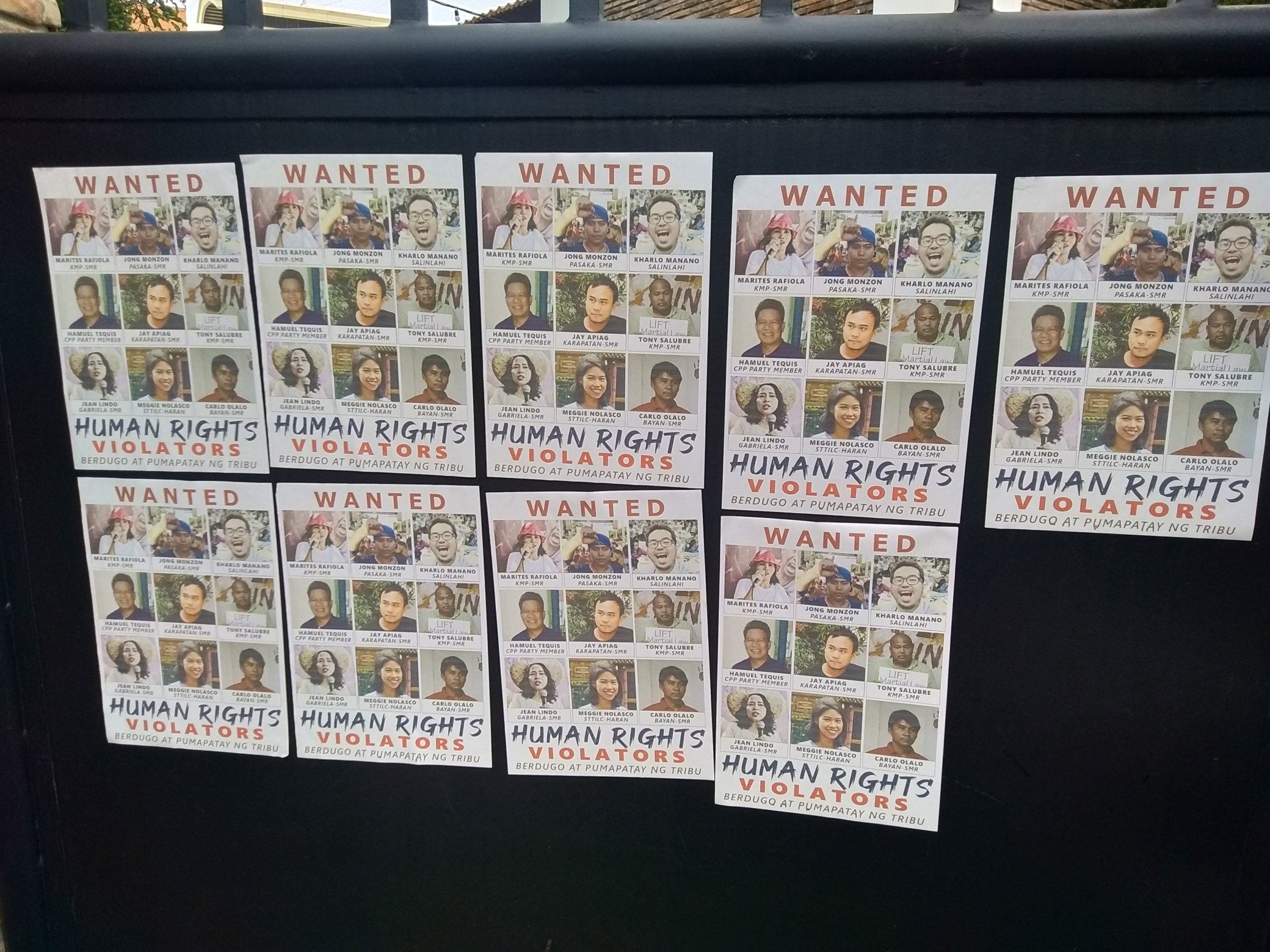
DAVAO CITY, Philippines – Lumad and environment defenders in Mindanao continue to experience and defy the effects of red-tagging, militarization and harassment in digital space.
This was raised during a workshop organized by Manila Observatory’s Klima Center in Davao City last March 15, which gathered indigenous leaders, NGO workers, journalists, lawyers and human rights advocates.
The workshop intends to deepen a three-year study of Klima Center on the extent of attacks against environmental defenders, particularly the Igorot in the Cordillera and the Lumad in Mindanao.
Klima Center, a research arm of the Jesuit-organized Manila Observatory, conducts such studies to aid stakeholders and policy makers including NGOs, institutions and government on how science is harnessed, and in this particularly study, how social concerns shape the issue of environment advocacy.
Hzael Acero, one of the directors of Klima Center, said the workshops they conducted have shown a continuing pattern of attacks that has spread over different forms against environment defenders.
“Na-surprise mi sa extent sa attacks. Sa among nakita, halos nag-mirror ang nahitabo sa Cordillera ug Mindanao. Because of that, nakita namo nga naay pattern, so we can really say nga systematic kini nga mga atake, (We are surprised by the extent of attacks. We see the experiences in Cordillera and Mindanao mirror each other. Because of that, we see a pattern, we can say there is a systemic attack)” Acero said.
Such recurring patterns include attacks in digital space including gender-based attacks and disinformation; and alleged involvement of state forces.
“Surrender” and “clearing”
Kat Dalon, vice chairperson of Sabokahan Unity of Lumad Women, revealed in her discussion that Lumad communities are intimidated to “clear” their names with the military as supporters and members of communist rebels.
Dalon said this strategy targets IP communities defending ancestral lands from the expansion of plantations and mining, which led to the closure of Lumad community schools.
She described how the government’s anti-insurgency campaigns pressure red-tagged Lumad members to sign documents, undergo “deradicalization,” write narratives how they supposedly become involved and provide information on fellow organizers. But later the activists will be branded in state media as “rebel surrenderees”
“Ingon sila okay lang man daw magpa-clear, pero kung magpa-clear ka, ang tinuod, igawas jud ka nila as surrenduree, (They would tell us things will be alright once we get cleared, but in truth, they will parade the names as surrenderres)” Dalon said.
Dalon said many Lumad were forced out of fear, particularly after repeated surveillance, military visits, and pressure on their families.
She added that it was difficult to file complaints and obtain documents such as blotters when barangay officials themselves are involved in harassing them, encouraging them to cooperate in the “insurgency-free” campaign.
“Unsaon man namo pagpa-blotter kung ang mismong barangay ang naga-harass sa among ginikanan? (How can we obtain a blotter when the barangay officials themselves are harassing our parents?)”
Dalon said this pressure has prevented her and other Lumad leaders from returning to their communities. Dalon and fellow Lumad students have chosen to pursue education in bakwit schools such as in UP Diliman, and continue their advocacy work in cities in Mindanao for their ancestral homes.
Nerfa Awing, a volunteer teacher and one of the accused in the Talaingod 13 case, said the alleged coercive “clearing” practices reflect a wider pattern of repression against Lumad schools, environmental defenders, and community organizations.
The Talaingod 13 refer to the teachers and Lumad supporters whose child abuse case is under appeal for helping school children in Talaingod flee from military threats in 2018.
She added that the attacks continue online with disinformation, and leads to surveillance, harassment and public hostility.
“Ang online attacks nakapag-lead sa physical pinaagi sa paghulma sa public opinion, (The online attacks lead to physical ones through the way they shape public opinion)” Awing said.
Participants called for stronger legal protections, an end to red-tagging and online harassment, and independent investigations into state abuses.
“One of the recommendations emerging from the project is the passage of a law that will really protect environmental defenders,” said Acero, “we heard the insights from organizations, stakeholders, and practitioners, and this will further improve the recommendations raised in this project,” Acero said.
For Dalon, she said Lumad groups will continue their advocacy, remaining silent would only leave their ancestral lands vulnerable.
“Kung dili mubarog ang katawhang Lumad, walay mudepensa sa among yutang kabilin, (If the Lumad will not take a stand, who will defend our ancestral land)” she said.
“Kung dili namo depensahan ang among yutang kabilin, pag traydor ni siya sa among kasaysayan. Bisan taliwala sa red-tagging, ang pinaka best na buhaton kung hulgaon ta is mubarog. (If we don’t defend our ancestral land, that’s a betrayal of our history. Despite the red-tagging, the best course of action if one gets threatened is to stand up against it.)”