
DAVAO CITY, Philippines – Public health officials warn that persistent food insecurity is undermining efforts to reduce malnutrition, even as the National Nutrition Month 2026 campaign promotes climate-resilient farming and home gardening.
The monthlong campaign, themed “SA PPAN: Sama-sama sa Nutrisyong Sapat Para sa Lahat” with the subtheme “Nutrisyon at Kalikasan, Ating Pangalagaan.” It emphasizes protecting children’s first 1,000 days of life and promoting breastfeeding under Executive Order No. 51, known as the Milk Code.
Alona Teo, RDN, MM, a National Nutrition officer III, said environmental degradation, unsustainable practices, poverty and limited market access are key drivers of food insecurity in the region.
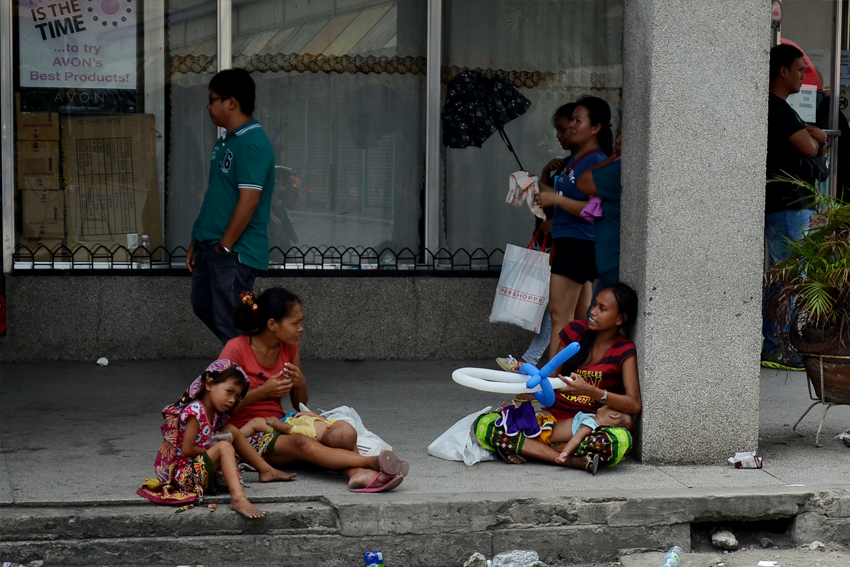
Remote municipalities including Sarangani and Jose Abad Santos have the highest malnutrition prevalence regionwide. Officials said urban and peri-urban pockets in Davao City, particularly informal settlements, also face severe food access problems, limited potable water and little space for household food production.
Regional data show a dual burden in some communities: stunting among young children alongside rising rates of overweight and obesity. Teo said low birth weight followed by early reliance on formula and processed foods contributes to later obesity.
“The strategy for reducing the stunting problems in Davao Region focuses more on prevention rather than curative,” Teo said.
The Department of Social Welfare and Development’s supplementary feeding program enrolls about 91,500 children ages 3 to 4 in the region for 180 feeding days in 2026. Officials described the program as vital but insufficient for long-term nutritional improvement without complementary measures that stabilize incomes and improve market and service access.
Climate change is worsening food production, officials said, citing unpredictable rainfall, higher temperatures and soil degradation. These factors, together with supply chain disruptions and rising food prices, encourage consumption of cheaper, nutrient-poor processed foods.
“Our agricultural sector in Davao Region reflects the national context, particularly for development organizations and farmers groups,” said Leo XL Fuentes, MASIPAG Mindanao coordinator. “Our classifications for the agricultural economy are export-oriented and import-dependent. We primarily focus production on plantation crops, and at the end of the day we become importers of things like rice.”
“So in the context of food security, our situation is very volatile because those farms or rice fields are converted into banana plantations,” Fuentes said.
“For once in the context of MASIPAG, we recognize the challenges of climate change,” he said. “One effort is our approach to launch trial farms to identify which climate-resilient varieties work.”
The Nutrition Month campaign promotes climate-resilient agriculture techniques and home gardening, but city and community workers said practical barriers hinder uptake in urban areas, including insecure land tenure, inadequate water, limited space, and lack of inputs and technical support.
City and regional nutrition specialists recommended integrated actions: expanding social protection and livelihoods, investing in urban agriculture infrastructure such as community gardens and rainwater harvesting, enforcing the Milk Code, supporting smallholder farmers with climate-smart training and improving market linkages.
Officials said sustained political will and funding are needed to translate the campaign’s messaging into lasting reductions in food insecurity and malnutrition. Campaign activities will continue through July across 45 municipalities in the Davao Region.(Duanne Pholuxe Baring | MSU Marawi Intern)(davaotoday.com)


