
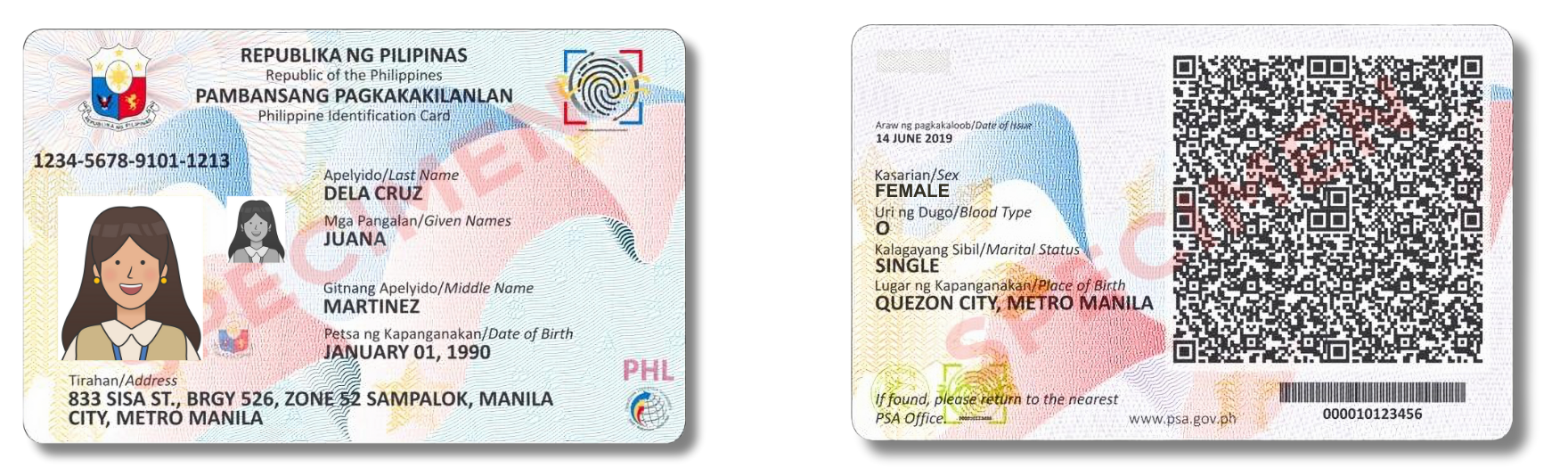
MANILA, Philippines—The Department of Information and Communications Technology’s plan for Meta to accept the Philippine National ID in its account verification is drawing criticisms over privacy and security concerns from tech professionals and everyday users.
Ian Aragoza, Chairperson of the Computer Professionals Union (CPU), said the proposal could link Filipinos’ government identities to their activities online.
The proposal could cover not only platforms such as Facebook and Instagram but also messaging applications such as WhatsApp, Viber and Discord.
“That means that practically, anonymity will disappear in the internet,” he said.
Aragoza warned that tying users’ government identities to their online activity could create new risks, particularly given concerns about personal data protection in the Philippines. It could make it easier for malicious actors to associate individuals with their online activities if personal data is compromised.
“We see that in the last few years, there have been a lot of major leaks, even from government agencies,” he said.
Threat to anonymous expression
Beyond data privacy, mandatory identity verification could affect how Filipinos express themselves online citing possible chilling effect on people who use anonymity to express dissent or criticize government policies.
“There was a notable case under Rodrigo Duterte a few years ago,” Aragoza said, referring to a teacher who was arrested over social media posts.
For Aragoza, privacy and anonymity are not merely technical concerns but safeguards that allow people to express opinions, including dissenting views.
Mandatory registration could be especially concerning in a country where people who express dissent may face red-tagging or other forms of harassment.
“Privacy and anonymity, I think it’s really popular through the lens of social media and the Internet,” he said. “But it’s a basic right.”
Cybercrime, digital literacy
Aragoza also questioned whether requiring users to register their social media accounts under their real identities would actually reduce scams and cybercrime.
He cited the SIM Registration Act, saying scammers were able to circumvent the requirement by acquiring SIM cards registered under other people’s names.
He argued that the same problem could emerge if mandatory identity verification is imposed on social media platforms.
Aragoza also cited age-verification measures implemented in other countries like Australia, saying users can find ways to circumvent restrictions through technology such as virtual private networks.
Address online harms
Instead of relying primarily on mandatory identification, Aragoza said the government and technology companies should address the specific causes of online harms.
He suggested stronger measures against extremist content, improved digital literacy for children, and greater accountability from social media platforms—particularly in detecting and removing harmful content.
He also pointed to stronger gun regulations and mental health support as measures that could address concerns over violence involving young people.
“If the concern is the unregulated content on social media that the child consumes, you can include digital literacy into the educational system.”
He added that platforms should take greater responsibility for harmful material.
“There should be accountability, responsibility, blocking, and taking down extremist content,” he emphasized.
Users raise concerns
Kinneth Santander, an avid social media user, is uneasy about the idea of linking his social media account to his National ID, fearing his personal information could get leaked or misused.
Social media information, he said, could potentially be used for scams and fraud, including the creation of fake accounts using another person’s information.
Santander also said mandatory identification could affect people’s willingness to criticize the government or express themselves anonymously online.
“There’s a fear in life because your personal ID is already linked to social media,” he stressed.
For him, any system requiring users to submit their government identity should come with strong safeguards against data leaks and misuse.
The debate comes as the DICT continues efforts to strengthen accountability on social media, having previously sought public input on mandatory identity verification to address online scams, identity theft and other cybercrimes.
However, for Aragoza the central question remained whether greater identification will actually make Filipinos safer online without sacrificing privacy and anonymity.
“Nothing happened with what was promised, yet they still got our information,” he said, referring to mandatory identification measures that fail to deliver their promised safeguards while increasing the amount of personal information being collected. (davaotoday.com)


