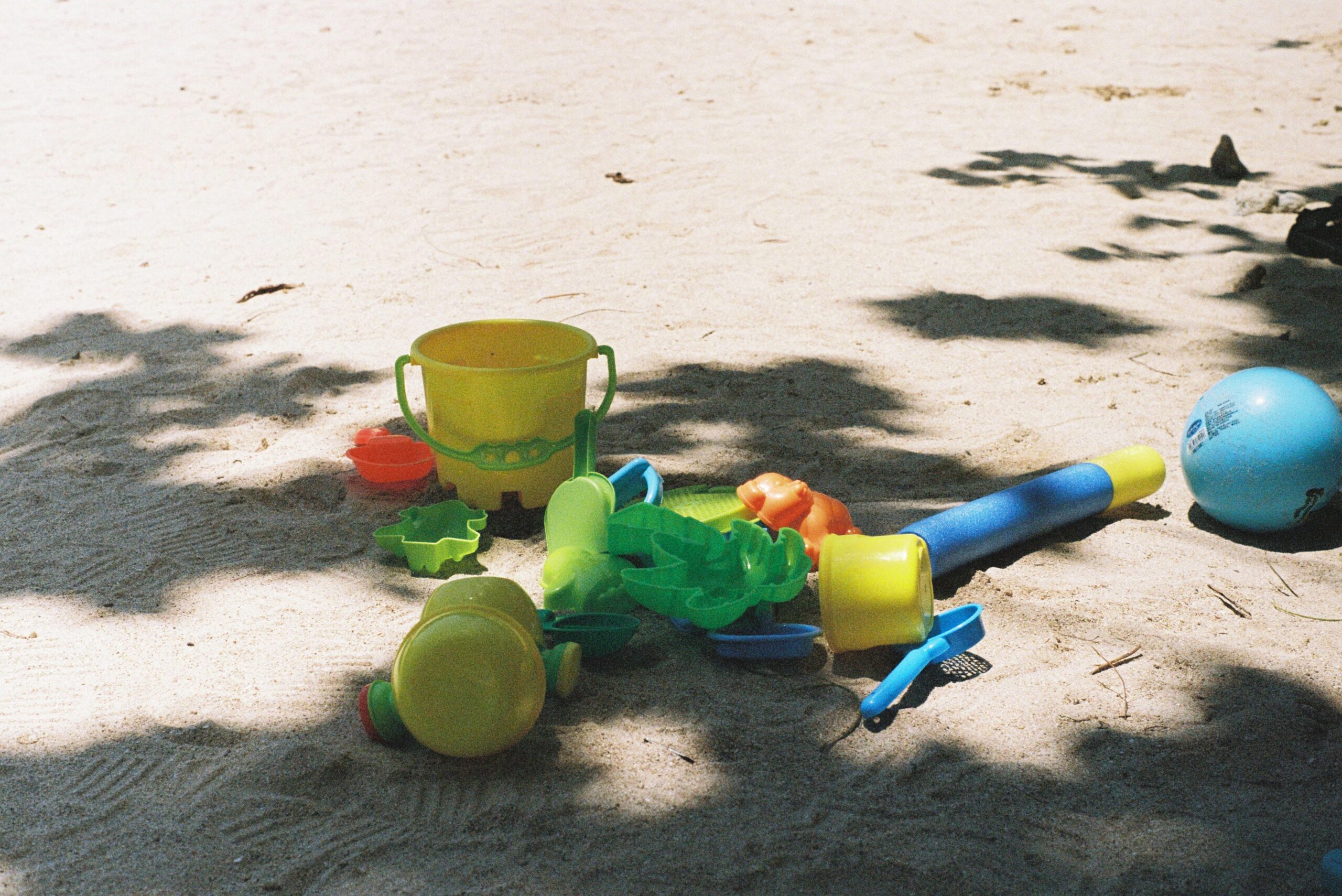
DAVAO CITY, Philippines – Summer may entice families to bring kids to beaches and pools, but a health watchdog warns parents about the beach toys and other plastic toys which they found are highly toxic.
BAN Toxics said their recent monitoring of toys sold in the local markets in kiosks and ambulant vendors in Manila, such as water guns, swim goggles, floating plastic ducks and play sand are not only highly toxic, but also improperly labeled.
Using a handheld chemical analyzer, the device detected high levels of toxic substances beyond safety standards set by health institutions. These include cadmium at up to 250 parts per million (ppm), chromium up to 2,600 ppm, lead up to 230 ppm, and mercury up to 1620 ppm.
Chlorine labels of up to 100,000 ppm were also found, indicating the presence of polyvinyl chloride (PVC) , a common plastic material.
These elements are part of the manufacturing of toys with prescribed limitations. But BAN Toxins said there should be stricter enforcement and monitoring of toys sold on the streets that have not been registered.
Lead, a known neurotoxin, can impair brain development and cause long-term cognitive effects in children, while cadmium is considered a suspected carcinogen linked to cancer risks with prolonged exposure. Chromium is known to have irritating properties that can induce allergic reactions and cause cancer.
BAN Toxics Advocacy Campaign Officer Thony Dizon urged government agencies and local governments to take action, noting that hazardous toys are sold across the nation.
“We know that there are gaps when it comes to enforcement. That’s why we are encouraging our local governments to pass an ordinance to stop the sale of these kinds of products,” he said.
Dizon also urged regulators to intensify monitoring and confiscation of such unregistered products.
“It is important for regulatory agencies to be more vigilant and proactive in inspecting and monitoring these products,” he said.
Under the Philippine law, toys sold in the market must comply with the safety labeling and manufacturer requirements in compliance with the Republic Act 10620 (Toy and Game Safety Labeling Act of 2013). (davaotoday.com)