DAVAO CITY, Philippines – In a city where student life often revolves around academics and personal ambition, more and more young people are choosing activism, solidarity and public struggle instead, making these commitments the focus.
Across campuses and communities, youth leaders from Gabriela Youth (GY) Jacinto, GY Davao, Kabataan Party (KPL) and Anakbayan Southern Mindanao Region (SMR) are transforming personal encounters with injustice into collective action.
For them, activism is not confined to slogans or online posts. It is rooted in lived realities: gender-based violence, inaccessible education, corruption and the widening gap between privilege and poverty.
Personal encounters spark conviction
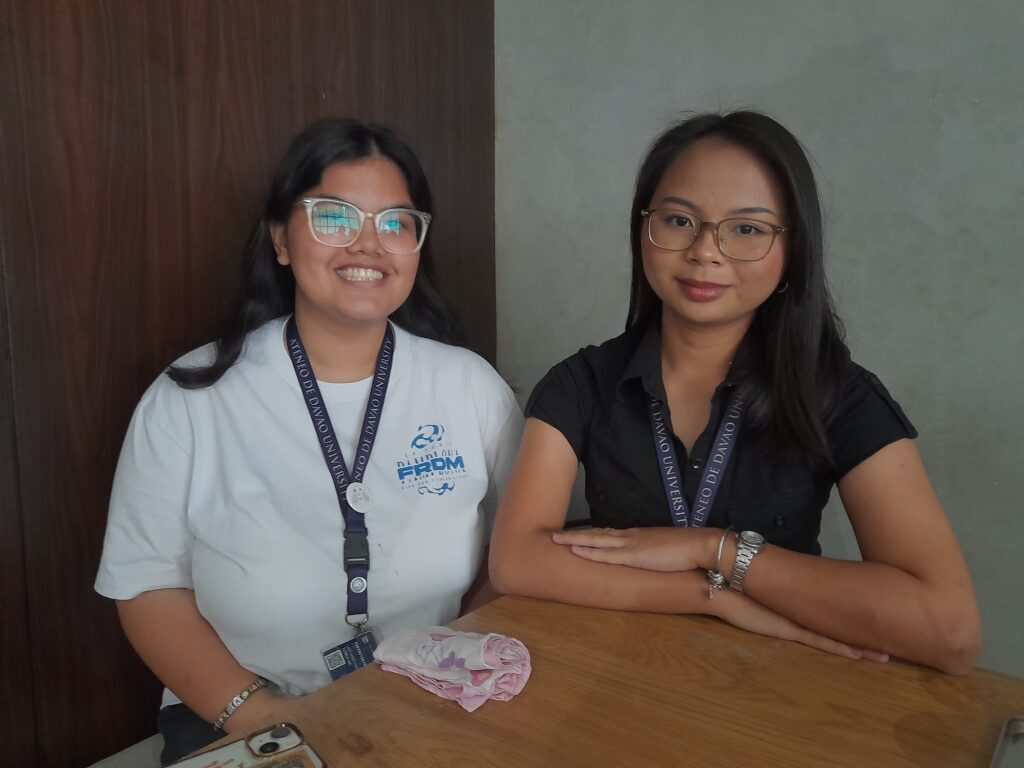
Fatima Ayeesa Guiani, chairperson of (GY) Jacinto, recalled a childhood memory that shaped her feminism. At 16, she discovered that a childhood neighbor of the same age was already a mother due to child marriage.
“Hindi kami susuko, kahit mahirap,” she said, underscoring her determination to fight for women’s rights.
(We will not give up, even if it is difficult.)
Lady Krystyna Shane Tumulak, member of GY Jacinto, said her political awakening came during a school outreach with Talikala, an organization supporting prostituted women and children.
“Dati, puro social media lang. Ngayon, totoong organisasyon na ang pinapasukan ko,” she said, describing her shift from online posting to grassroots work.
(Before, it was only social media. Now, I am part of a real organization.)
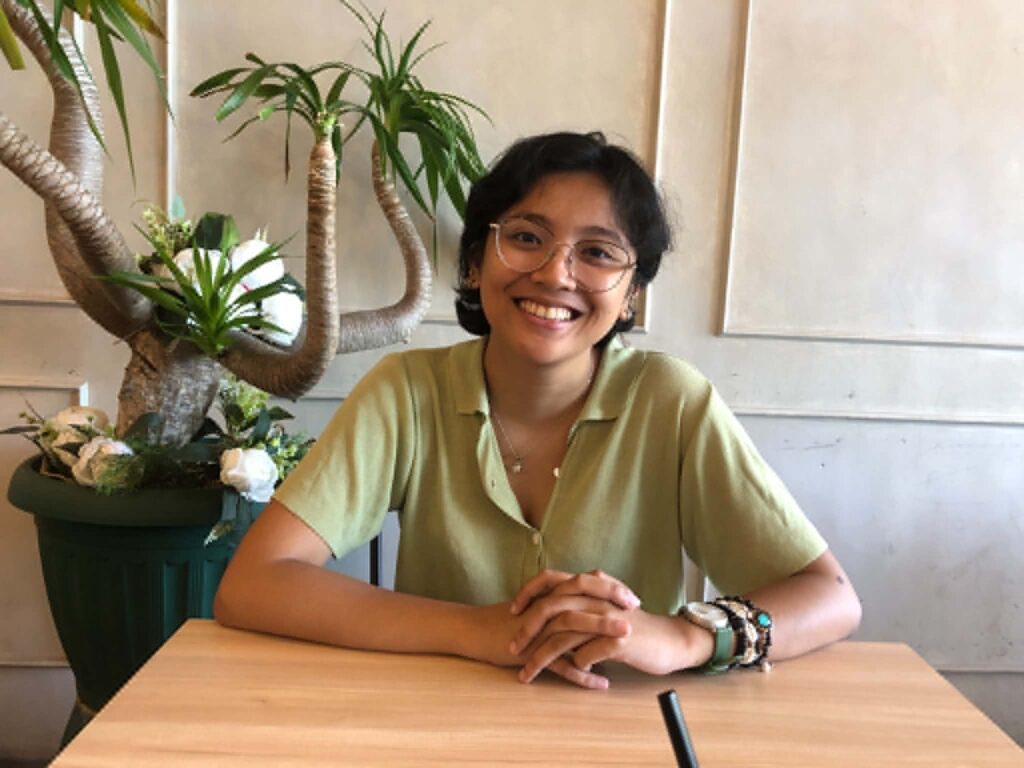
For Allyssa Ancheta, chairperson of GY Davao, activism grew from lived experience.
“Nakikita ko ang hindi patas na trato sa kababaihan. Kaya kailangan naming kumilos nang sama-sama,” she said, emphasizing collective struggle against systemic discrimination.
(I see the unfair treatment of women. That is why we need to act together.)
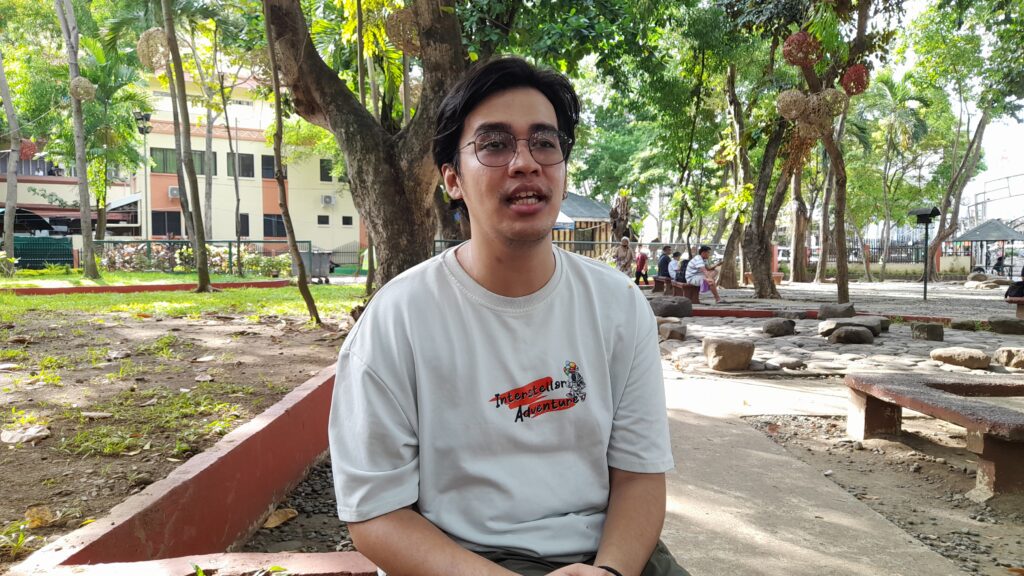
Cobbie Jan Canda of KPL sharpened his activism through anger over corruption scandals.
“Kung mayaman ang Pilipinas sa yaman, bakit marami pa ring nagugutom at walang serbisyo?” he asked, framing activism as a demand for accountability.
(If the Philippines is rich in resources, why are so many still hungry and without services?)
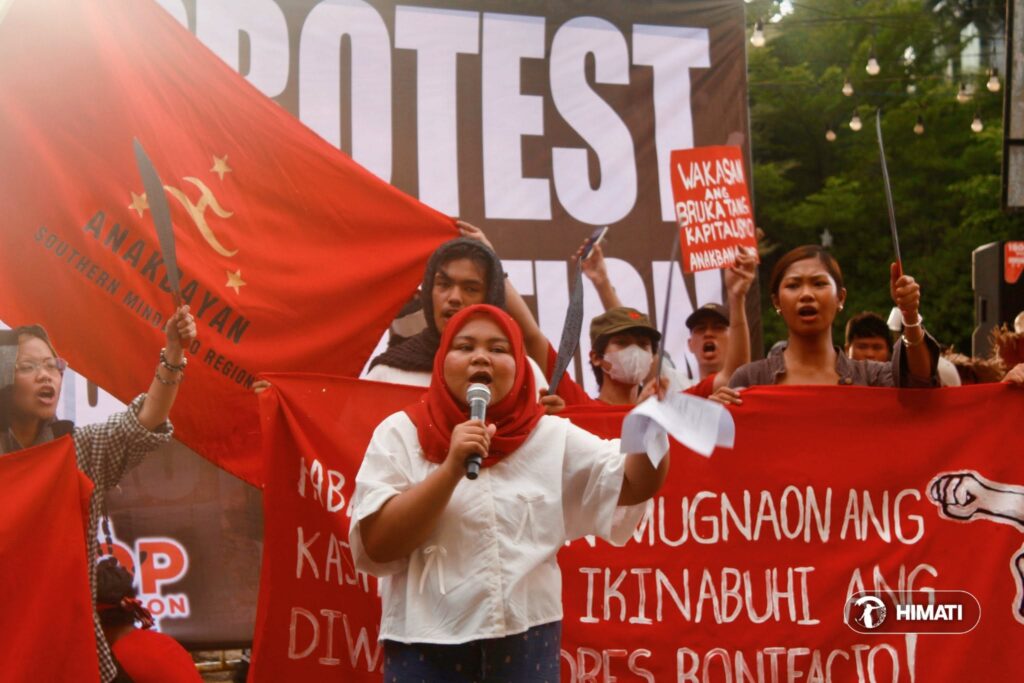
Meanwhile, Fauzhea Guiani of Anakbayan SMR said that activism must extend beyond universities: “Hindi lang estudyante ang dapat kumilos. Kasama ang manggagawa, magsasaka, at maralita.” (It is not only students who should act. Workers, farmers, and the poor must also be involved.)
Sociology professor Arnold Alamon situates today’s youth movements within a broader historical arc.
Alamon recalled how Davao became a “hotbed of insurgency” during the Marcos dictatorship in the 1970s, when young activists organized in urban poor areas against authoritarian rule.
“Even under a very repressive, authoritarian, even murderous regime of the Dutertes for how many decades, hindi nawala yong aktibismo sa Davao,” he said.
(…for decades, activism in Davao has never disappeared.)
For him, activism is a positive force in society. It is a mechanism to correct mistakes and push for liberty, equality and solidarity
Alamon argued that activism is fundamentally optimistic. Activists believe change is possible – that people are not inherently selfish or brutish, but that unjust conditions produce inhuman behavior. Change those conditions, he said, and people can be kind to one another. Government can serve the many rather than the few, and development can benefit the entire population.
Risks and realities
The young leaders acknowledged the dangers. Fatima criticized indifference among youth, shaped by systemic neglect. Krystyna warned against individualism: “Kung sarili lang ang iniisip, walang tunay na pagbabago.”
(If one only thinks of oneself, there can be no real change.)
Allyssa admitted balancing activism with family and academics is already difficult, but the greater challenge is red-tagging and harassment.
Cobbie recounted being followed and misidentified by police.
Fauzhea was blunt: “Ang pinakamalaking banta ay ang estado mismo.”
(The greatest threat is the state itself.)
Alamon echoed this, noting that red-tagging and propaganda often portray activists as terrorists.
“So what the youth are doing when they become activists is to respond to these realities actually that are unchanging. And therefore, when they see na hindi nababago ang bagay bagay alam nila na they should take actions. And that’s when I say that becomes a personal conviction,” he said.
(…when they see that things do not change, they know they should take actions…)
Projects and campaigns
Their organizations reflect lived realities through concrete initiatives:
- Gabriela Youth Jacinto runs Project Kaagapay, a first-response mechanism for sexual harassment cases in universities.
- Gabriela Youth Davao organizes Girls Talk consultations and the Bawal Bastos campaign.
- Anakbayan SMR combines street protest with community relief and outreach.
- Kabataan Partylist pushes for free education and just wages.
Why rallies still matter
Despite criticism, rallies remain central to their work.
Allyssa described protests as disruptions that force public attention toward ignored issues: “Ang protesta ay hindi ingay. Ito ang pinakamabilis na paraan para magturo at mag-pressure.” (A protest is not noise. It is the fastest way to teach and to exert pressure.)
Cobbie described rallies as spaces of community.“Doon ko naramdaman na hindi ako nag-iisa.” (That was when I felt I was not alone).
Fauzhea added: “Ang rali ay pampublikong pagpapakita ng lehitimong panawagan.” (A rally is a public expression of a legitimate demand.)
For many, activism reshaped their identities.
Fatima’s feminism shifted from “girl boss” individualism into systemic liberation “Hindi magiging malaya ang kababaihan kung hindi malaya ang lipunan.” (Women will not be free if society itself is not free.)
Krystyna emphasized collective achievement. “Hindi na ‘I did this,’ kundi ‘We did this.’”
Allyssa deepened her critique on patriarchy. Cobbie credited activism for reshaping his personal life, and Fauzhea highlighted solidarity: “Hindi nag-iisa ang aktibista.” (The activist is not alone.)
Alamon frames activism as an inherently optimistic act, arguing that activists believe conditions can improve and that human beings are capable of kindness when their circumstances change.
In Davao, these youth are not merely reacting to injustice. They are building communities, shaping consciousness and proving that change requires more than outrage.
Alamon quoting author Arundhati Roy said, “the best we can do is not to look away.”
The sociology professor posed a challenge to young people: confronted with the problems and victims of historical injustices, will they turn away? Or are they perhaps the generation that will finally bring change – through a courage that his own generation could not summon, creating a better future for all? – Omerahh Usman | MSU Marawi Intern