DAVAO CITY, Philippines — When traffic in the city slows to a crawl, some residents in riverside communities take a different route: they cross the Davao River by boat.
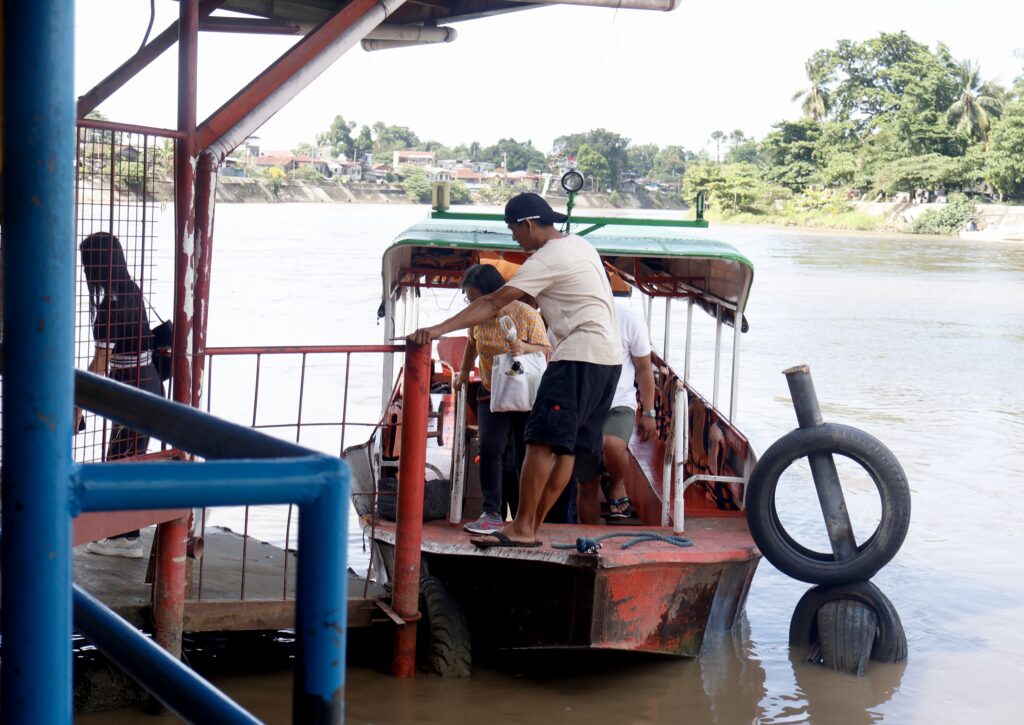
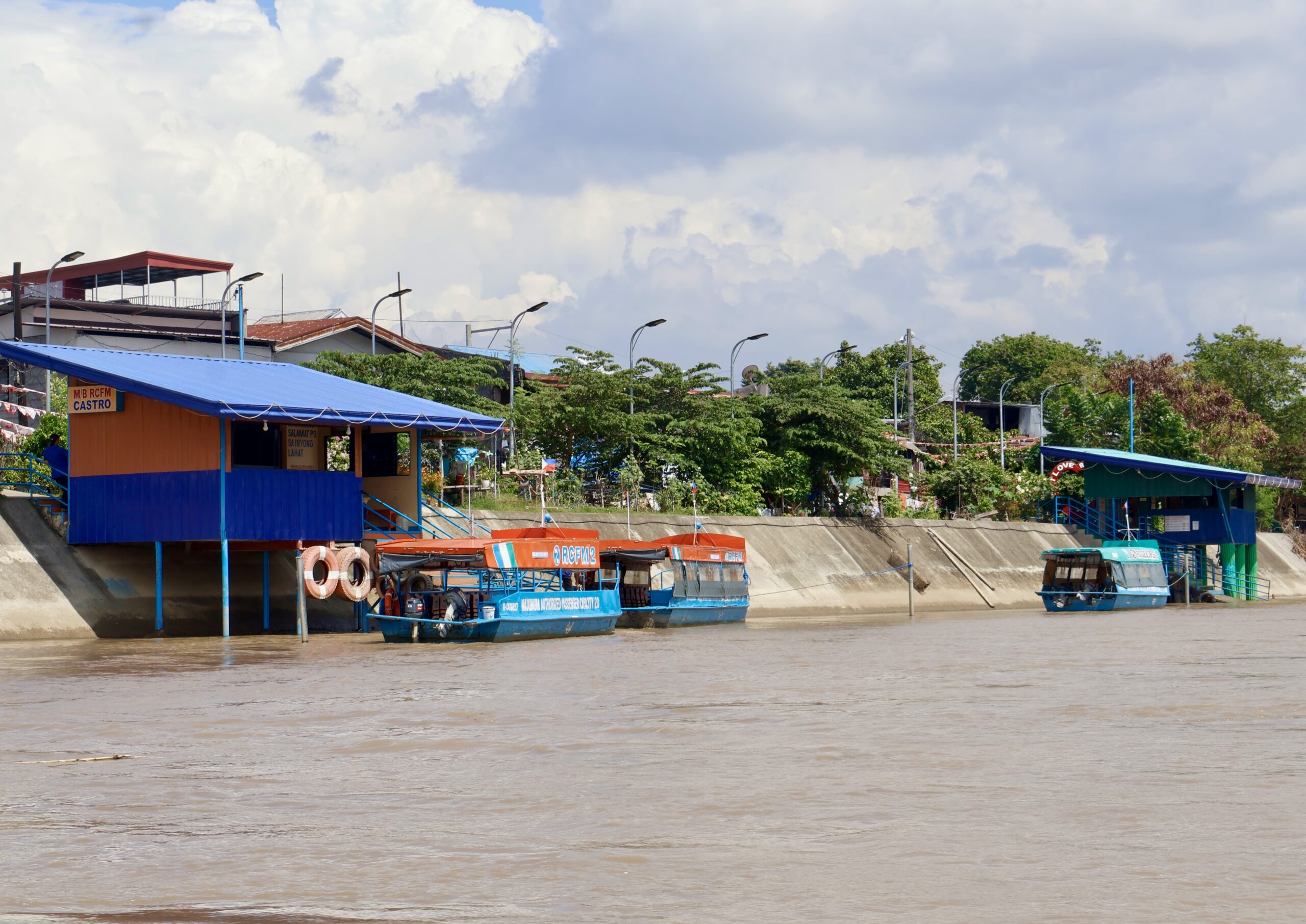
For commuters from Slum Improvement and Resettlement Phase 1, or SIR, the small motorized banca are more than fishing boats. They are a daily shortcut to Bangkaan, where roads are easier to access and a jeepney ride can often be avoided.
The trip takes only a few minutes, but for many passengers it saves time, money and frustration.
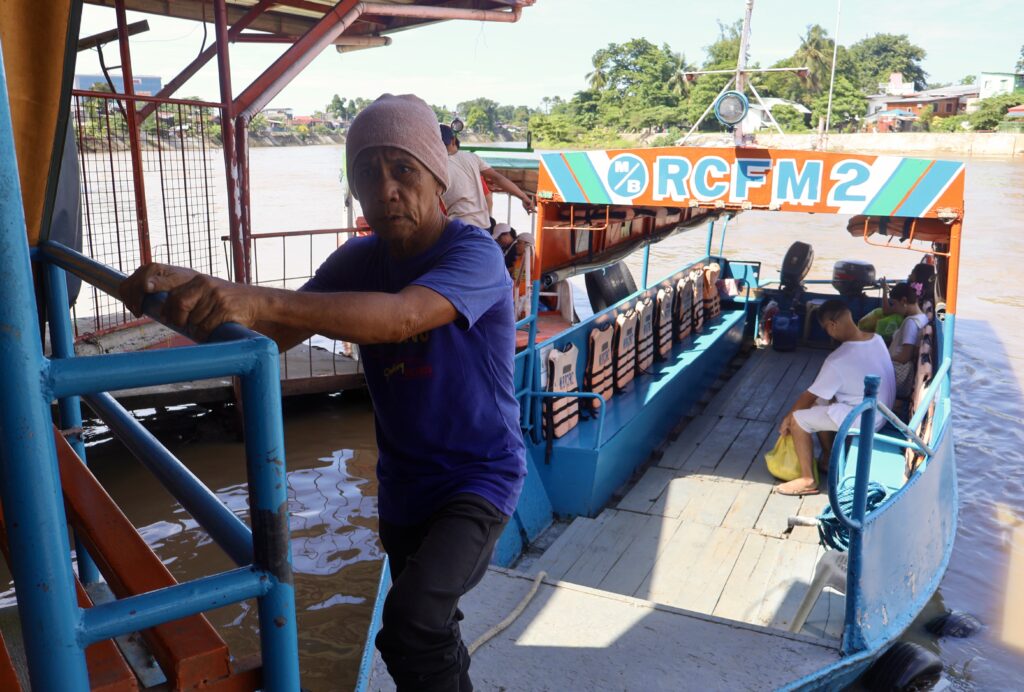
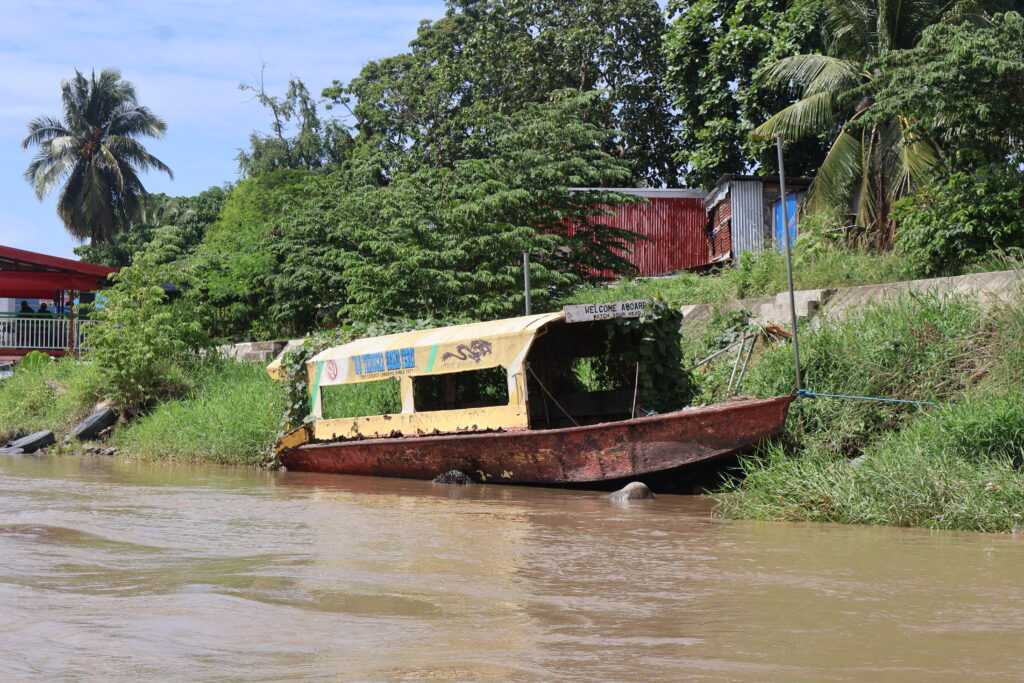
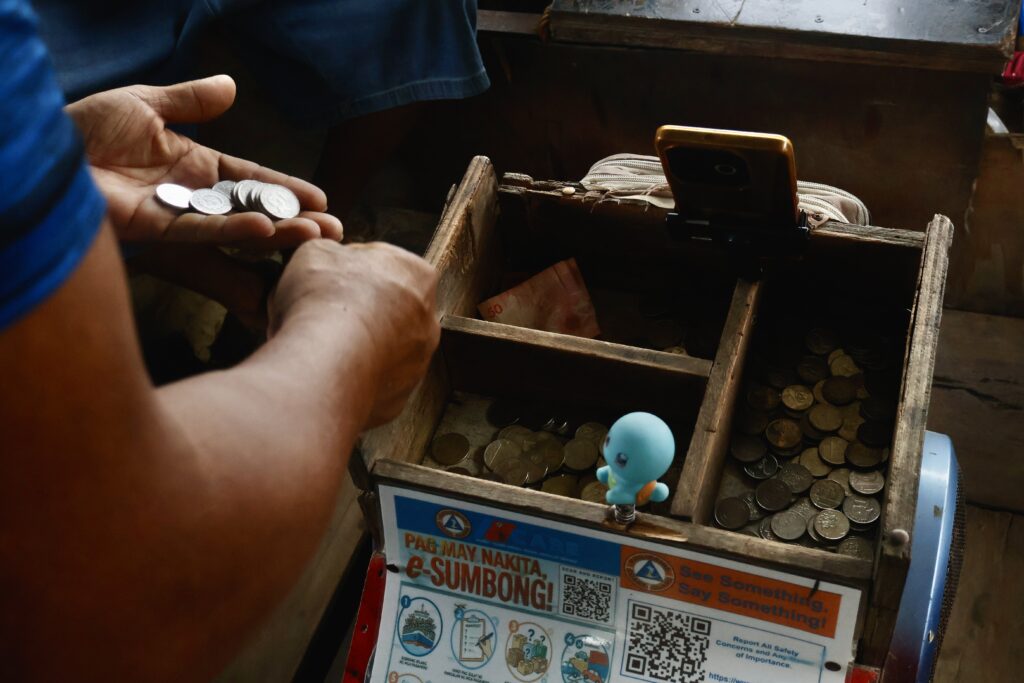
SIR has three boat houses — Espaldon VII, Rocel Cas 2 and RCFM 2 — serving commuters whose fares range from P3 to P6. Some fares have gone up by P1 or P2 because of rising fuel prices, boat personnel said.
Rosendo, 61, has been operating boats for 20 years. His shift starts at 4 a.m. and ends at 2 p.m. But earnings can be unpredictable. Competition among operators splits the passenger load, and some trips leave him with only a few riders. On a good day, he earns P400 to P500.
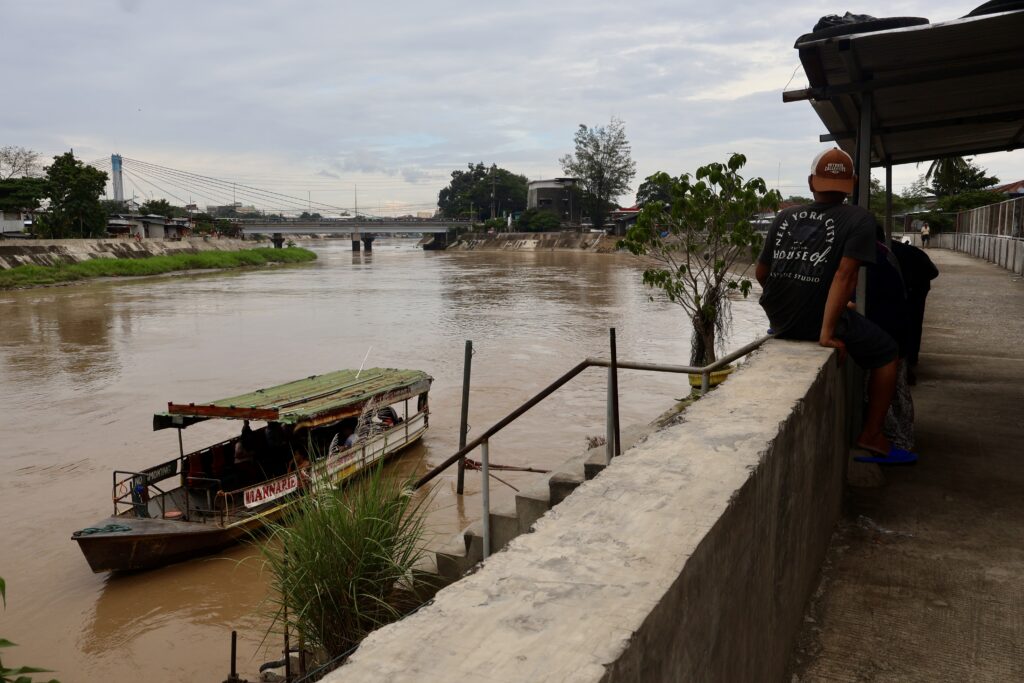
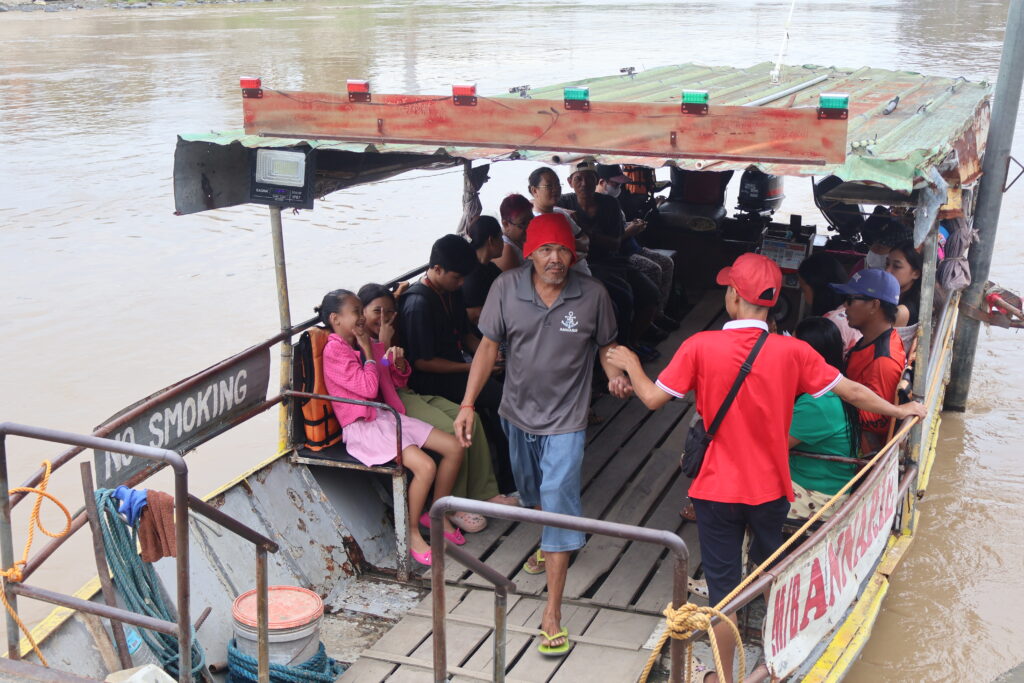
On the other side of Bolton Bridge, residents of Gravahan, Purok 2, Matina, also rely on boats to cross the river directly to Bankerohan Public Market.
Unlike in SIR, the Gravahan route has only one boat, M/B Annarie. Located near Bankerohan and Matina, it often carries a near-full load of passengers on nearly every trip. Driver Marlon earns about P600 a day, depending on foot traffic.
For passengers, the appeal is simple: the boat is faster, cheaper and more convenient than sitting in traffic in a jeepney or tricycle.
“Pagabot nimo sa Bankerohan palengke puwede naka mu-shortcut padulong diri, then, pagtabok pud nimo diri sa Gravahan duol rapud ang gate sa UM (University of Mindanao). Maong mas convenient jud,” said Jade, 21, a college student, explaining the boat offers a shortcut from Bankerohan to Gravahan, where the University of Mindanao gate is nearby.
The river route is not always available. Heavy rain and typhoons can force operations to stop when water levels rise. In those cases, the city coast guard radios boat drivers to suspend trips, and passengers return to land commuting.
As Davao continues to urbanize, jeepneys, taxis and free buses remain the city’s main public transport options. But with congestion worsening, river crossings like these offer a quieter, faster alternative for residents trying to get where they need to go. – Dawn Maricar Bojos/ UP Mindanao Intern