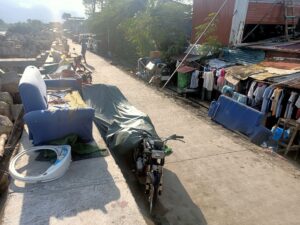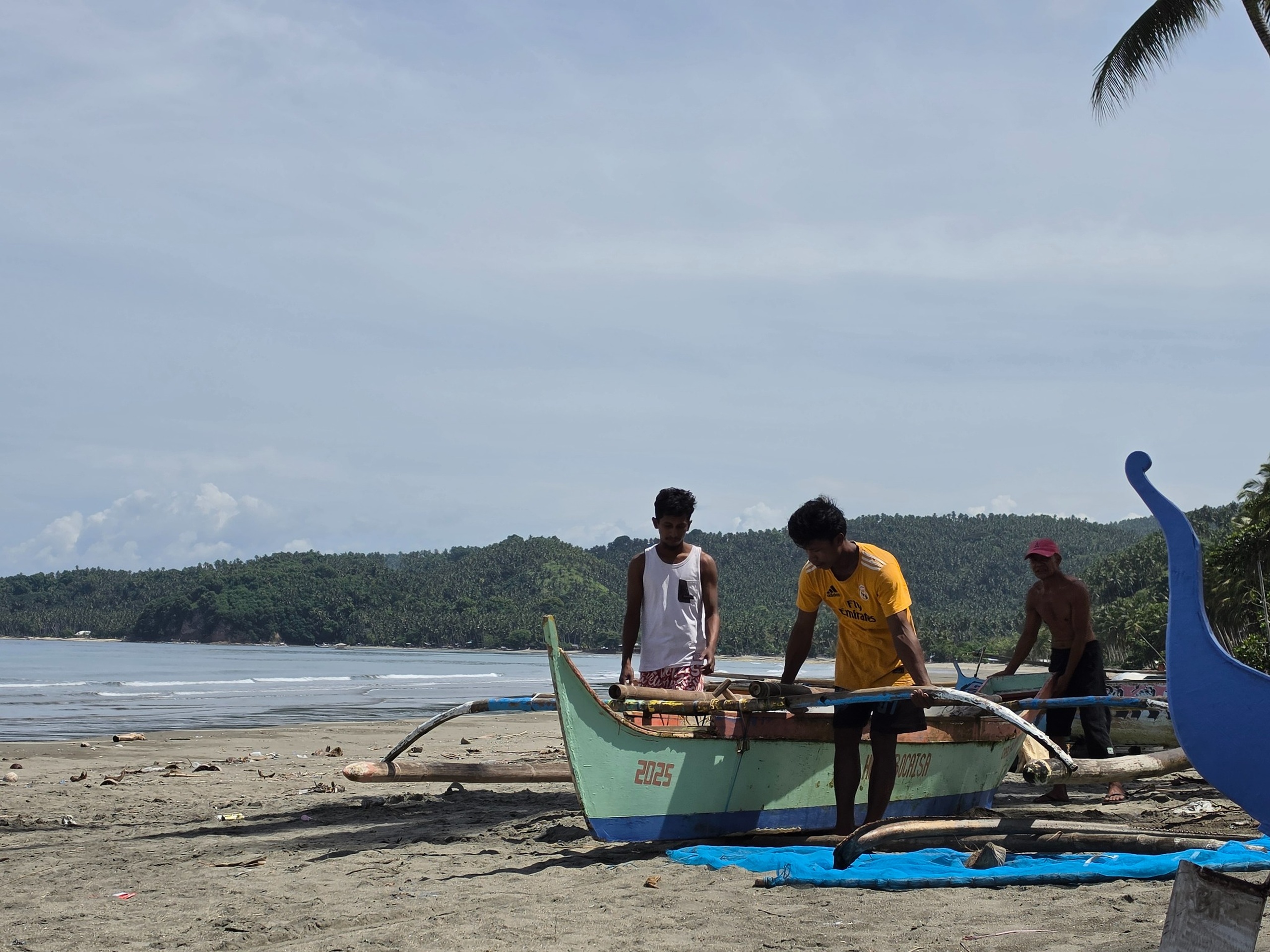
GLAN, Sarangani – When the sea retreated, so did the certainty that had sustained generations of fisherfolk in the coastal villages of Glan, Sarangani.
For families whose lives begin before sunrise and end only after the last catch is sold, the sea has always been more than a source of food. It is livelihood, inheritance, and identity. But after the magnitude-7.8 earthquake that jolted Mindanao on June 8, the waters they have depended on for decades became unfamiliar.
Some watched the shoreline pull away before rushing back. Others saw murky waters, dead fish floating on the surface, and fishing grounds that suddenly seemed empty.
The earthquake may have lasted only seconds, but for Glan’s fishing communities, its effects continue to ripple weeks later.
When the sea no longer provides
For fisherman Jead Pandit of Purok Islam in Barangay Cablalan, every fishing trip has become a gamble.
Fish that once gathered close to shore have disappeared, forcing fishermen to venture farther into deeper waters—an option many cannot afford because of rising fuel costs and the risks of rougher seas.
“Hunas na kaayo, Layo na kaayo ang hunasan, dile pareha sa una,” he shared. (“The shore is so much farther away than before.”)
For small-scale municipal fishers, whose daily earnings depend entirely on what they catch, every unsuccessful trip means another day without income.
Fishing is more than a livelihood in the Philippines—it is a cornerstone of both the economy and food security. The fisheries sector contributes 1.3 percent to the country’s GDP, provides employment to around 1.6 million Filipinos, and supports countless low-income families who depend on subsistence fishing. It also supplies more than 50 percent of the protein consumed by Filipino households, making disruptions to the sector a concern that extends far beyond coastal communities.
But when fish disappear, income disappears with them.
An invisible disaster beneath the water
Unlike collapsed buildings or cracked roads, damage beneath the sea is difficult to measure. Several fishermen recalled seeing unusually cloudy waters immediately after the earthquake. Others reported dead fish and changes in the condition of their fishing grounds.
Pandit remembered the sea becoming noticeably different after the quake.
“Nikalit lang ug hunas,” he told Davao Today. (“The sea suddenly receded.”)
He observed a significant difference in tides since then.
In the days following the quake that struck coastal areas in Sarangani Province, government agencies confirmed what many fishermen had already begun noticing at sea—the coastline had changed.
According to the Provincial Environment and Natural Resources Office (PENRO) of Sarangani, reports from residents prompted ground validation after they observed that seawater had remained unusually low even days after the earthquake.
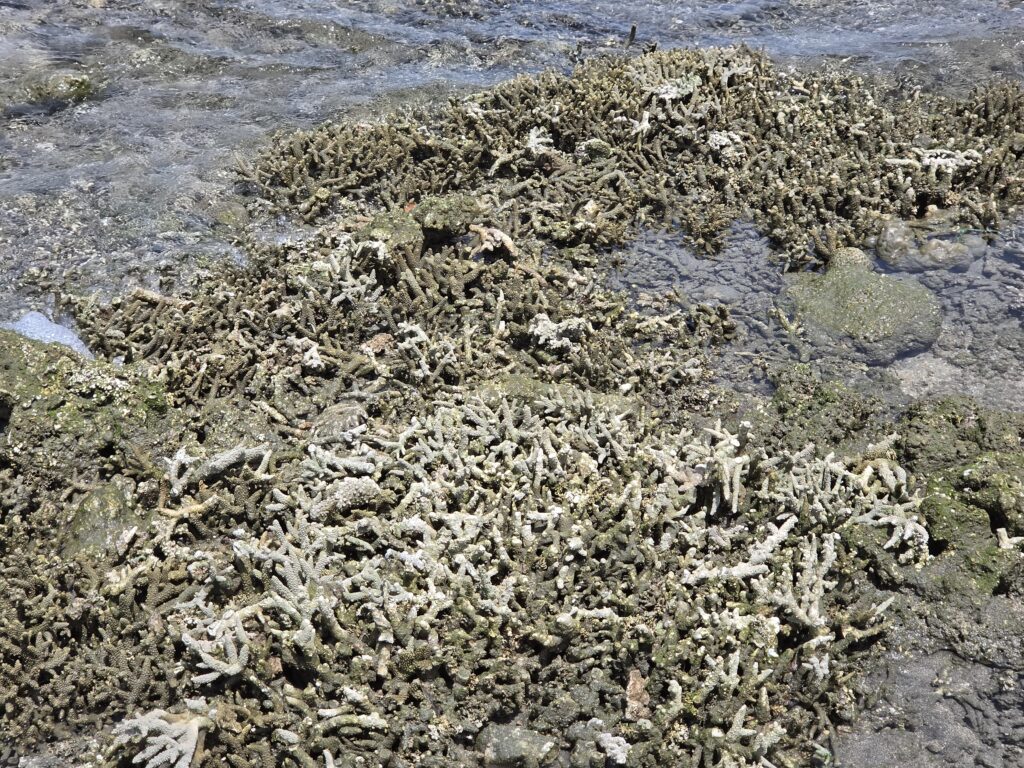
Surveys conducted by the Community Environment and Natural Resources Office (CENRO) of Glan and the Sarangani Bay Protected Seascape Protected Area Management Office (SBPS-PAMO) found long stretches of shoreline exposed in barangays Burias and Pangyan, revealing coral reefs and seagrass beds that had previously remained underwater.
An aerial survey and field validation conducted by DOST-PHIVOLCS and the DENR Mines and Geosciences Bureau Region XII (MGB XII) confirmed that the seabeds had risen by approximately two meters, extending the shoreline by nearly 200 meters.
The sudden coastal uplift stranded extensive coral reefs and seagrass beds exposed, causing the death of marine organisms including reef fish, eels, clams and shells.
No catch, no food
For Tonia Kingking, a resident of Burias the hardest part is not the damaged shoreline—it is returning home empty-handed.
Since the earthquake, she said fishing has become almost impossible in the areas where they used to work.
“Nangaguba gyud among pump boat, na nga buslot, wala gyud mi nakapangisda sukad,” she said, explaining that their boats were damaged and they haven’t been able to fish since the quake.
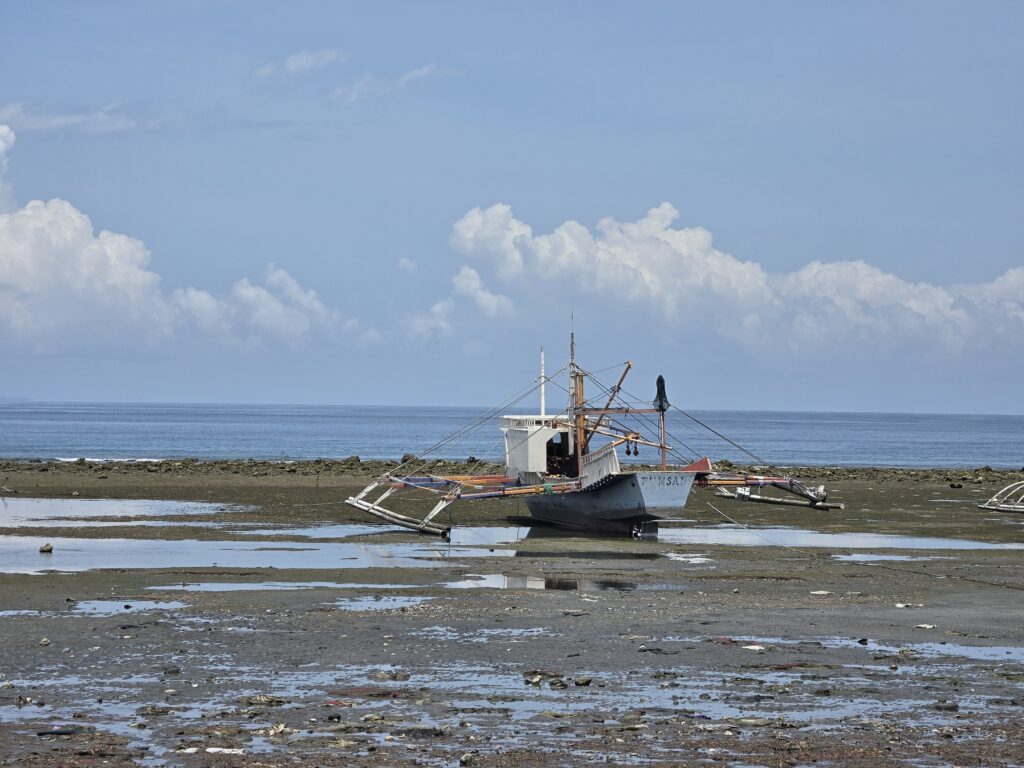
Without fish to sell, household expenses continue to pile up.
Children still need to go to school.
Food must still be placed on the table.
Boats still require repairs.
“Wala nami lahing mahimo ana,” Kingking said, explaining that fishing remains the family’s only source of income. (“We don’t have any other choice.”)
Like many small-scale fishing households, the family has no alternative livelihood to cushion the loss.
After the sea receded and the shoreline rose, the struggle shifted from finding fish to finding enough food for the next meal.
For Aljofar Abdulbali, a resident of Burias, fishing has always been the only livelihood he knows. But with boats stranded and fishing grounds transformed by the coastal uplift, returning to the sea has become nearly impossible.
“Wala na dyud mi kalugsong, naa ra mi dire sa bukid,” he said, explaining that they haven’t been in the sea and are now just in the mountains.
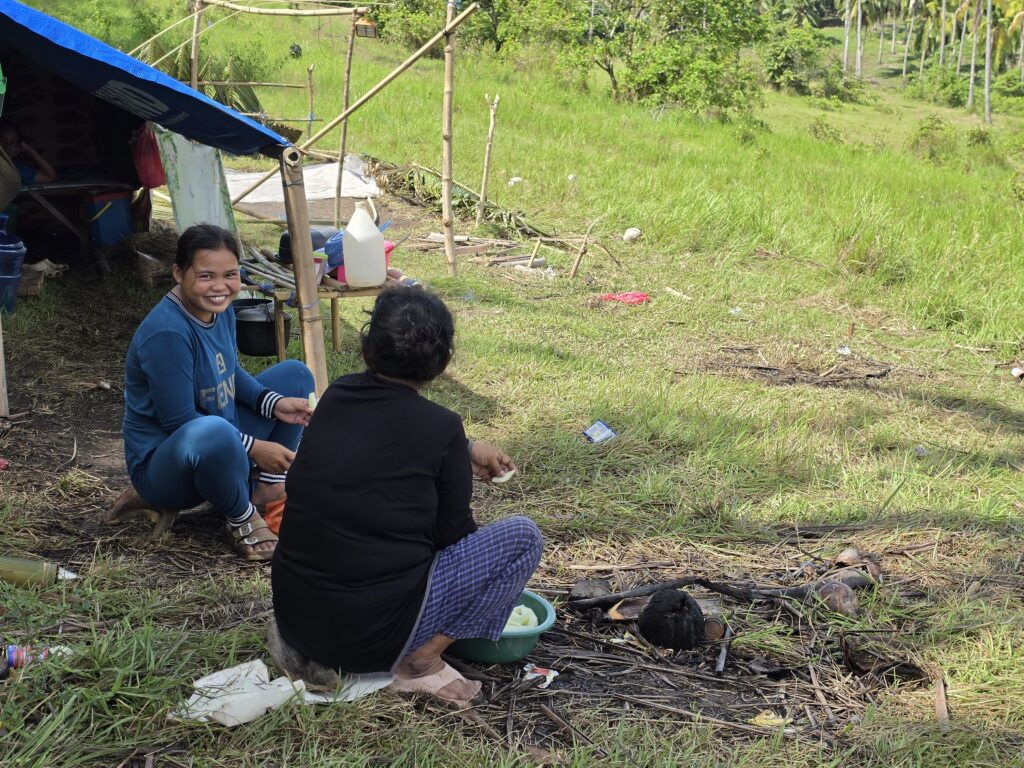
He hopes that conditions will eventually return to normal. With no steady income, Abdulbali worries about putting food on the table and supporting his children’s education. While waiting for fishing activities to resume, he said families urgently need assistance such as food, clean water and other basic necessities.
Another fisherman, Alibar Apon, echoed the same concern. Although his family safely evacuated during the earthquake, surviving the weeks afterward has proven more difficult.
“Wala gyud mi income, ug walay ayuda wala gyud mi ginakaon,” he said. (“We have no income; if we don’t receive help, we have nothing to eat.”)
He explained that fishing has stopped while household expenses continue, including fuel, debts, and his children’s schooling.
Although some forms of assistance have reached parts of the community, Apon said many families continue to wait for livelihood support to fully recover.
Old wounds reopened
Meanwhile, the latest earthquake reopened old wounds for Vic Dante, a resident of Barangay Cablalan whose family is still grieving the loss of his nephew during the devastating 2023 earthquake.
“Katong 2023, isa nako ka pag umangkon ang nakuha ato, gisuyop sya sa dagat wala na makita ang bangka,” he said. (“Way back in 2023, one of my nephews died; he was swept away by the sea, and we haven’t seen the boat.”)
What began as another violent tremor quickly brought back memories of the tragedy that changed their lives, forcing them to relive the fear they thought they had left behind.
Restoring and rebuilding livelihood
For many of Glan’s fisherfolk, recovery extends far beyond repairing damaged boats or waiting for the sea to return to normal. It is about restoring the livelihoods that have sustained their families for generations.
Since the June 8 earthquake triggered a coastal uplift that transformed fishing grounds, many fishermen have been left without work and with few alternatives to provide for their households.
For Abdulbali, every day without fishing means another day without income. Unable to return to sea, he said his family is struggling to meet even their most basic needs.
“Kinanghanglan namog trapal ug labi na solar,” he said. (“We need makeshift tarps and solar power.”)
He explained that immediate necessities, including food, drinking water and electricity via solar power, would help families survive while fishing activities remain at a standstill.
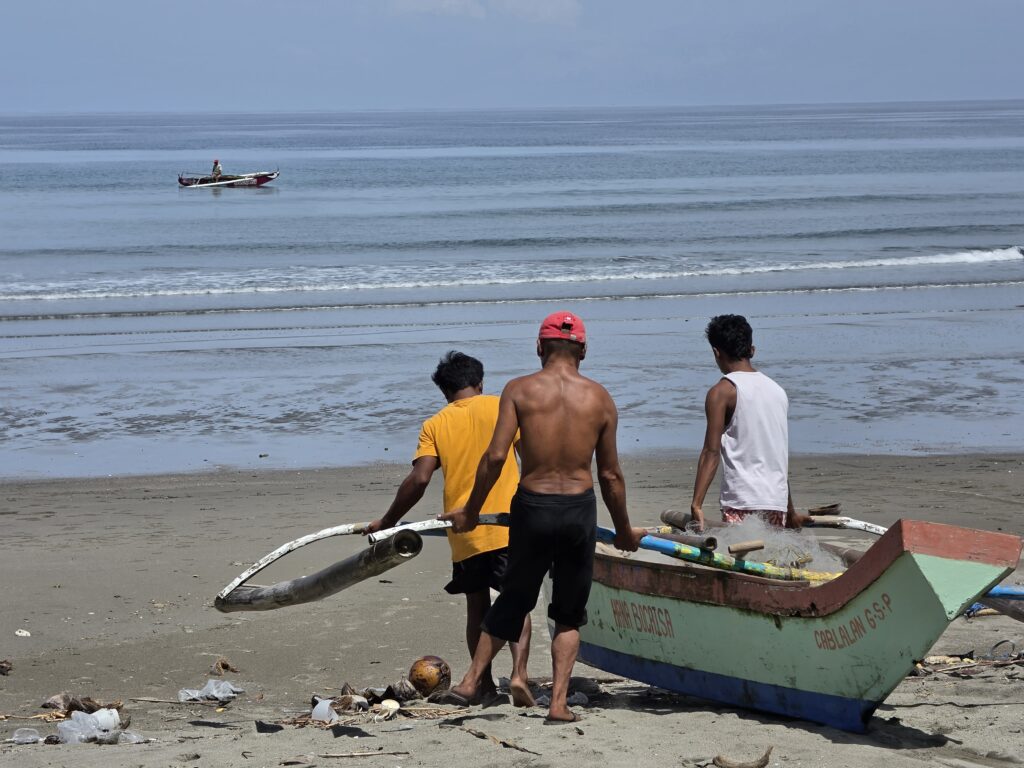
Meanwhile, Tonia said many fishermen also hope the government will help them return to work by repairing their damaged boats.
“Maayo unta ipaayo among bangka para makapangisda mi balik.” (“It would be better if our boats were fixed so we could go back to fishing.”
Without functioning boats, she said, many families have no means of earning an income, leaving them dependent on whatever assistance they can receive.
The fishermen stressed that while emergency relief is important, long-term recovery depends on restoring their livelihoods. For them, rebuilding means not only receiving food assistance today, but also having the tools to return to the sea tomorrow.(davaotoday.com)