
GENERAL SANTOS CITY, Philippines – General Santos residents still tremble from two consecutive quakes: a magnitude 7.8 on June 8 and a 6.5 on June 26.
Panic and trauma linger as families inhabit cracked homes, fearing another collapse. Many await uncertain financial aid for repairs.
As of June 29, the City Disaster Risk Reduction and Management Office (CDRRMO) reported 153,000 people affected across 54,000 households. Nearly 50,000 homes suffered damage; over 4,000 were destroyed.
DAVAO TODAY spoke with survivors about their terror during the temblors, their scramble for safety, and their communities’ fractured responses. The ground has stilled, but fear remains.
Fear comes first
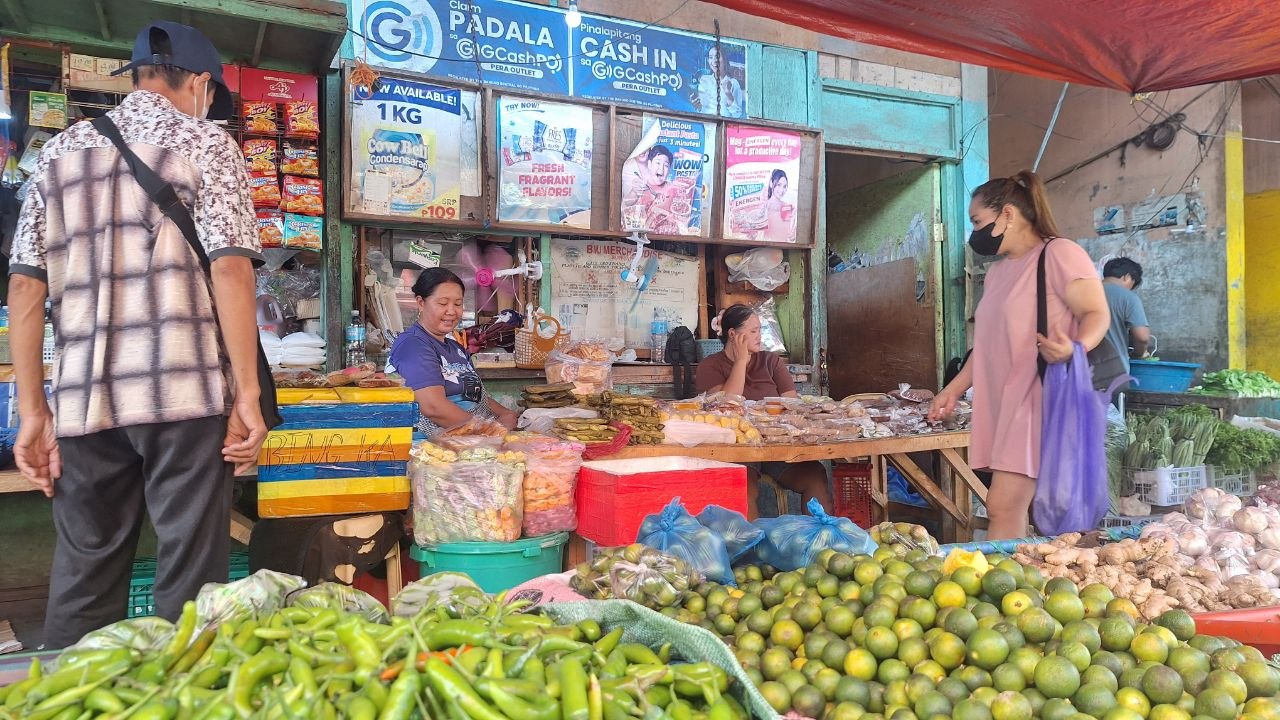
For Nenita Coroña, 47, a kakanin vendor at General Santos’ public market, fear hit before her feet did.
“Sa akoa lang, wala ko nagadagan. Diri lang jud ko para dili ko matumba or mahulogan og unsa diha,” Coroña said.
She stayed put. She believed it was safer to stay away from falling concrete, as felt the terrifying rhythm of the earth beneath her.
In Barangay Calumpang, traffic enforcer Julius Lauron didn’t run either. He stood his ground as panic ripped through the streets early on June 8. He watched commercial buildings crumble in real time, their skeletons giving way while people stampeded.
His job: keep order. Keep them alive.
Later, the area was sealed off. The city’s damage assessment would later name 177 red-tagged buildings—structures deemed too dangerous to enter. Hundreds more needed repairs. Or worse, total rebuilding.
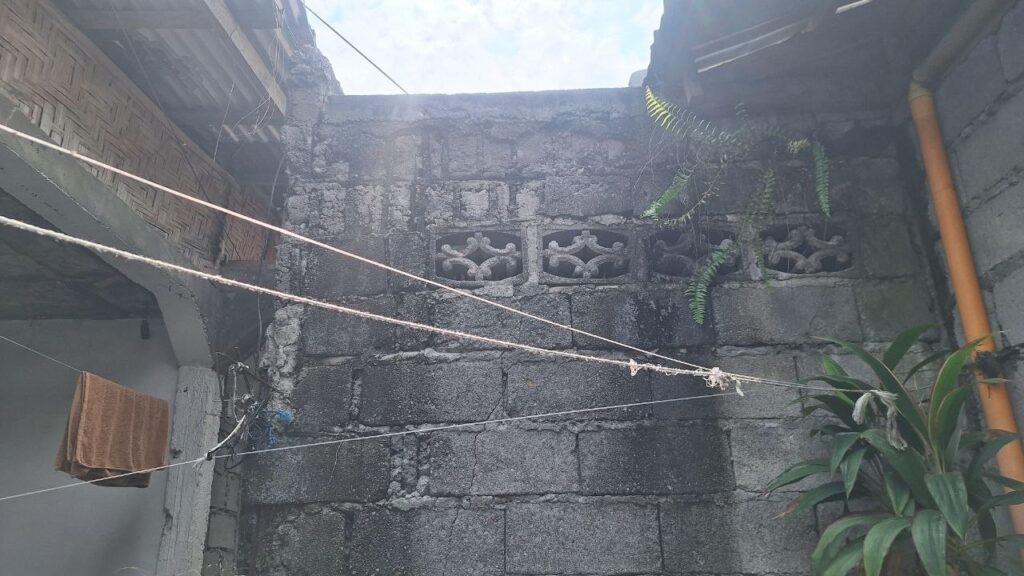
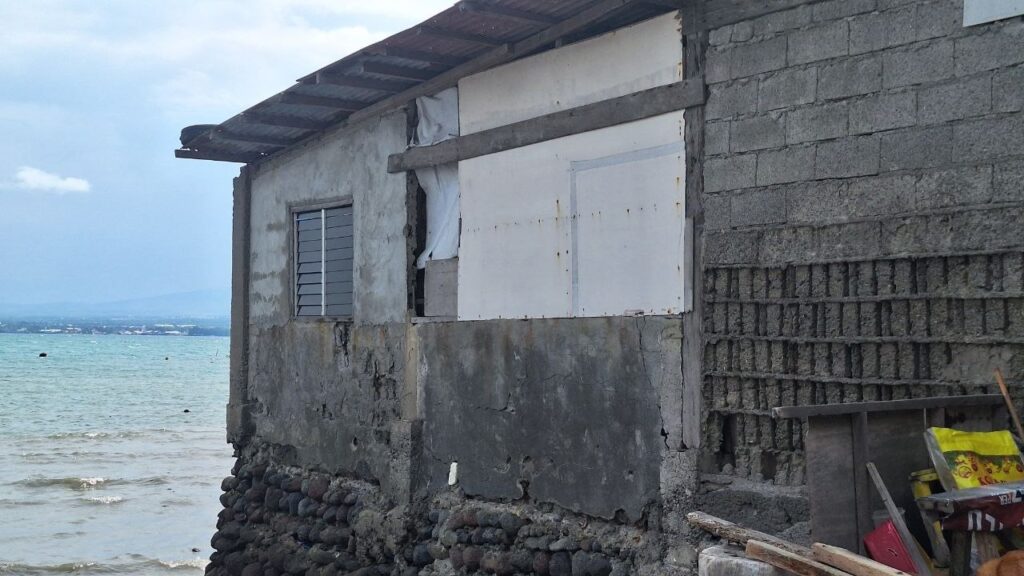
For Carmen Danlag, 55, the quake became a nightmare.
She was asleep when it hit. A person with a disability, she struggled to move as walls cracked, furniture toppled, and the floor seemed to swallow her whole.
“Ang balay na damage, na crack, among mga gamit nahulog nangatagak. Na crack siya asta ang mga dinging. Sa kahadlok, gi labay-labay ko sa linog kay nakatulog man ko ato, natrap ko. Hadlok kaayo sa ka tanan. Nanggawas dayon. Dili jud diay lalim mag linog. Sa actual linog hadlok jud kaayo ka. Ma shock ka kay dili ka makatulog tungod sa linog,” Danlag told DAVAO TODAY on June 29.
Faith over drill
In the chaos, many turned to prayer before they could think.
Coroña stayed seated in the market, hands clasped. “Nag-ampo lang ko diri sa akong gilingkuran,” she said. (I just prayed here, where I’m seated.)
Danlag admitted the drills didn’t save her. “Wala jud nagamit ang ‘duck, cover and hold’. Dili siya magamit kay nataranta. Mudagan jud ka,” she told DAVAO TODAY.
Mae Gonzales echoed her.
“Wala jud nagamit ang duck cover hold. Dili siya magamit kay nataranta, dili man to siya safe para sa akoa. Wala ra gihapon kung dagko ang mahulog. Mudagan jud ka or kalsada, para sa akoa mao jud ang safe. Para sa akoa, dili to available buhaton. Kinahanglan jud mogawas para safe,” Gonzales said. (I couldn’t follow the ‘duck, cover and hold’ procedure because I panicked. I didn’t think it was safe for me, especially if large objects were already falling. My instinct was to run outside into the street because I believed that was the safest place. I felt I had to get out to stay safe.)
Follow quake protocol
The Office of Civil Defense (OCD) still insists on the protocol: Duck, Cover, Hold.
During the second-quarter Nationwide Simultaneous Earthquake Drill on June 19, officials stressed that repetition builds “muscle memory,” so when the ground moves again, bodies respond before minds do.
Once the shaking stops, evacuate. Find open ground. Account for loved ones. Wait for instructions.
But for those who lived through the 7.8 temblor, the truth is simpler. Fear came first.
Prayer came next. Survival came after.
Inclusive drills, proactive info campaign
Sergia Hagna, 67, recalled barangay seminars where city officials lectured residents on earthquake response. “We received complete information,” Jagna speaking in Visayan told Davao Today.
Edilberto Ceballos, 60, echoed this, citing regular checks, sirens and drills at the barangay gym. “At least, we have experience; we know what to do,” Ceballos said.
Yet preparedness remains uneven. Joy Segovia, a newer resident of Bula, observed a stark absence of training. “Preparedness is lacking; we’ve never had an earthquake drill here,” Segovia said.
Gonzales, also of Bula, argued that drills are often confined to schools, leaving adults in the dark.
“Announcements happen, but information arrives too late,” she said. Living near the coast, Gonzales warned that digital reliance excludes many. “Authorities must be active, go house-to-house. Almost everything is online now, but not everyone is connected.”
Despite official efforts, gaps in communication and training persist. Residents now urge more frequent, inclusive drills and proactive, ground-level information campaigns. Without them, the next tremor could catch the unprepared off guard again. Shane Angela Banzon, UP Mindanao Intern


