
2025 YEARENDER
People rise up again and protests flood the streets in 2025. It is a year that saw the rift widened not just between the ruling dynasties, but also the divide between the powerful and the marginalized. Injustice was seen in floods that ravaged cities and villages amidst corruption of contractors and politicians. Human rights score victories against trumped up charges. Issues in Davao City are brought up — floods, public transportation, human rights, good governance and accountability. Our stories reflect the changing tides of 2025.
DAVAO CITY, Philippines — For years, families of victims of the so called “war on drugs” were told to stop hoping.
In 2025, that hope finally broke through.
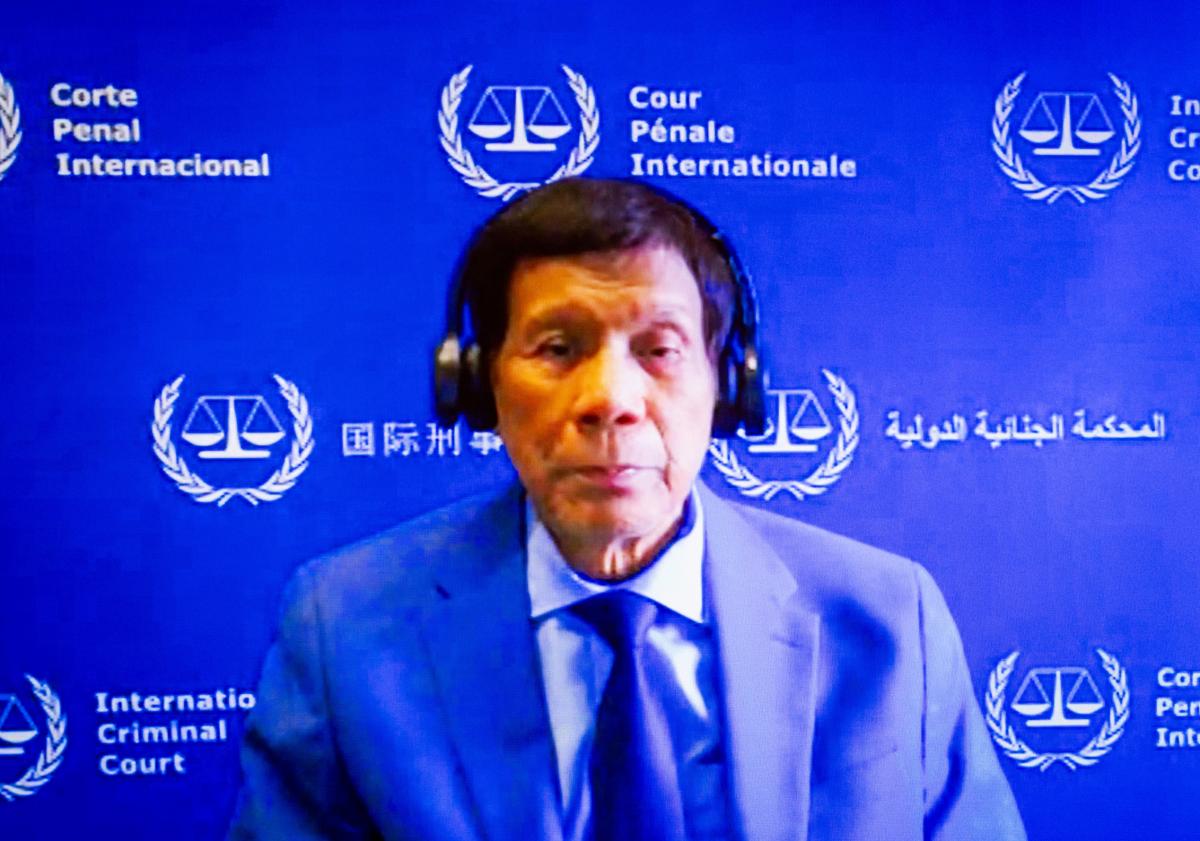
Former President Rodrigo Duterte—long untouchable at home—was detained by the International Criminal Court in The Hague on charges of crimes against humanity tied to thousands of killings under his anti drug campaign.
His arrest and transfer to the ICC in March sent shockwaves through Philippine politics and reopened wounds that had been suppressed for years. What followed was not a year of closure but a cascade of legal battles, political maneuvering, and a public debate over justice, health, and accountability.
The case against Duterte stems from claims that, as mayor of Davao City and later as president, he oversaw or enabled extrajudicial killings that violated international human rights norms. Despite the Philippines’ withdrawal from the ICC’s Rome Statute and repeated denials of jurisdiction by Manila’s leaders, prosecutors secured an arrest warrant.
In March 2025, Duterte became the first former Philippine president to be brought to The Hague.
For years his supporters dismissed the ICC probe as an attack on sovereignty, but families of victims saw his detention as the first real crack in decades of impunity.
A Year of Legal Warfare and Political Drama
Once detained, the legal battle shifted to whether 80-year old Duterte was fit to stand trial. His lawyers claimed serious cognitive impairments, arguing that memory problems and frailty rendered him unable to participate in proceedings. In September, judges postponed pre trial hearings to assess his fitness, opening months of contention.
Behind the scenes, Duterte’s camp framed the health claims as proof that his detention was unjust and inhumane—fuel for narratives of foreign meddling and threats to national sovereignty. Domestic politics amplified these frames, with figures close to him publicly denouncing the ICC process.
The most consequential development late in the year came not from lawyers, judges, or politicians but from medical experts.
A panel appointed by the ICC to assess Duterte’s condition submitted its evaluation in early December. While the full report remains confidential, the experts unanimously concluded that the former president is capable of participating in pre trial proceedings and understanding the case against him—despite his age and alleged frailty.
That finding directly challenged Duterte’s defense claims of debilitating cognitive decline and moved the ICC closer to resuming stalled hearings on the confirmation of charges—a critical step toward trial.
Prosecutors went further, asserting that Duterte’s own test results suggested not incapacity but occasional inconsistent performance, raising allegations that he may be feigning impairments to delay proceedings.
Politics, Public Opinion, and the Year Ahead
Despite the medical panel’s assessment, the ICC still must formally rule on Duterte’s fitness to stand trial—a decision expected in early 2026.
The political battle in the Philippines has not waned. Duterte’s supporters continue to decry the ICC process as a violation of sovereignty, while his critics argue that a fair trial would finally confront one of the darkest chapters in recent Philippine history.
For victims’ families and human rights advocates, the panel’s finding represents more than a procedural hurdle cleared; it signals that claims of frailty cannot indefinitely shield powerful figures from accountability.
Yet they caution that legal victories can be hollow without meaningful justice—an outcome that only a full, public, and unbiased trial can deliver.
Opposition to the trial has not been confined to street rhetoric. Disinformation campaigns portraying the ICC as foreign interference intensified throughout the year, muddying public understanding of the case and influencing political discourse in the Philippines.
A Turning Point, Not the End
By the close of 2025, Duterte remains in ICC custody. No verdict has been reached, and no final trial date has been set.
However, the political and moral terrain has already shifted: a former president is not merely accused on paper—he is facing a legal process that could culminate in accountability for alleged crimes against humanity.
For victims’ families, this year’s developments affirm that long?denied justice is once again in sight. They also recognize that the path ahead will be fraught with delays, political pressure, and legal complexities.
As the Philippines enters 2026, the central question is no longer whether Duterte’s detention matters; it is whether justice—so long eluded—will finally be served.(davaotoday.com)


