
DAVAO CITY, Philippines – Despite the record-high education budget for 2026, teachers and advocates warn that long-standing problems remain unresolved as Philippine public schools open classes today, June 8.
Yet despite the Marcos Jr. administration’s touted ?1.35 trillion Department of Education budget—roughly 4.4% of Gross Domestic Product meant to center its education agenda—teachers say the funding falls short of solving the country’s deep-seated systemic crises.
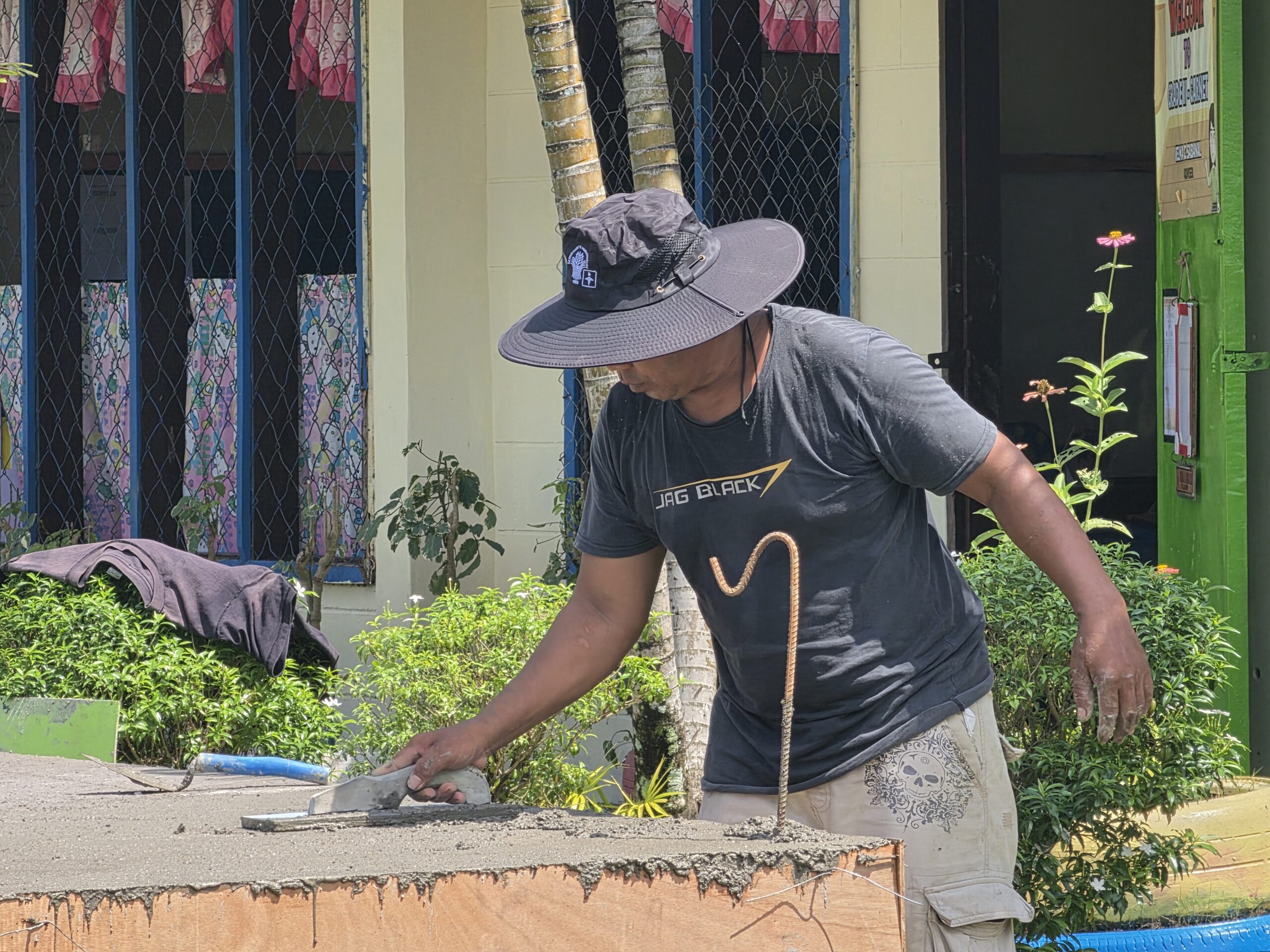
A major chunk of the budget targets the country’s chronic classroom shortage: P85.3 billion allocated for construction and repair. This includes ?65 billion for 24,964 new classrooms and ?7.7 billion for rehabilitating existing buildings.
For teachers, however, it is not whether the budget is increasing, but whether these increases are enough to address the backlog of needs accumulated over the years.
“The education budget is still lacking,” said ACT Teachers Party-list Rep. Antonio Tinio, pointing to persistent shortages in teachers, classrooms, facilities, and learning materials.
Tinio observed that despite rising education spending, enrollment and historical backlogs continue to outpace those gains.
“Generally, the budget is increasing, but that does not tell the whole picture because every year enrollment is increasing and the historical backlogs are increasing,” Tinio said.
“The same cake”
For retired school head Elenito Escalante of Daniel R. Aguinaldo National High School (DRANHS), adequate funding has always been essential to improving educational outcomes.
Escalante said that schools continue to struggle with teacher shortages, classroom deficits, inadequate equipment, and limited nutrition programs despite government allocations. He emphasized that greater investment in education would significantly strengthen support for both learners and educators.
These concerns remain familiar to teachers today.
ACT Davao president Reynaldo Pardillo used a simple analogy to describe the persistent situation: “the same cake” being divided differently despite changes in policies and programs.
“We are eating the same cake,” he said, explaining that many core problems such as teacher shortages, insufficient support, and inadequate resources, continue to exist.
The perennial teacher shortages remain one of the most pressing concerns raised by educators. Large class sizes persist across many public schools, with some classes exceeding ideal teacher-student ratios.
According to Tinio, the problem extends across all levels of education, from kindergarten to senior high school.
Out of pocket
Even with government programs meant to support educators, countless teachers continue covering classroom expenses out of pocket.
Though the 2025 annual teaching allowance increased to ?10,000 to offset material costs, Tinio noted educators still shoulder significant expenses.
“Sometimes, even food for hungry students comes from them,” he said.
Pardillo echoed this, saying teachers cover costs for photocopying and maintenance due to insufficient resources.
With public schools enforcing no-collection policies, many feel compelled to fill these gaps personally to ensure students are ready to learn.
New curriculum, new challenges
Starting School Year 2026–2027, DepEd will implement a three-term calendar and new assessment guidelines aligned with the revised K to 12 curriculum. The reforms aim to reduce assessment overload, strengthen foundational skills, and prioritize learner development over traditional examinations.
However, some teachers question whether schools are ready for this transition.
Pardillo said that educators were attending four days of seminars just before classes began, leaving little time to prepare for implementation.
“We have our seminars for four days until Sunday, and by Monday we will already be teaching. So where is the preparedness of teachers?” he asked.
He added that many educators are expected to roll out the new curriculum without sufficient resources: “To be honest, we will go home lacking weapons. There are no learning materials, no curriculum guides, and no textbooks.”
For teachers, the concern lies not in the reform itself, but in the lack of preparation, training, and instructional materials needed to carry it out effectively.
Wage remains low
While much of the government’s proposed budget focuses on infrastructure, educators say educational challenges extend beyond new buildings alone.
The Department of Budget and Management’s spending plan allocates furniture for over 18,000 classrooms, funds electrification projects for more than 400 schools, and provides for over 300 new health and sanitation facilities. The proposal also includes rehabilitation of nearly 1,300 disaster-affected schools nationwide.
However, teachers maintain that physical infrastructure alone cannot address critical concerns regarding teacher welfare and learning quality.
Tinio said that teacher salaries remain significantly lower than those of other government professionals, including nurses, police officers, and military personnel. In response, the ACT Teachers Party-list has proposed raising the entry-level salary to ?50,000 per month and reducing class sizes to a maximum of 35 students.
The need for sufficient funding
As the new school year begins, educators continue to call for what they describe as sufficient, not merely larger, education funding.
“We need political will to make education a priority in the budget, but not just a priority as in the biggest budget. We need a sufficient budget to wipe out shortages of classrooms, textbooks, learning materials and resources,” Tinio said.
He emphasized that addressing these needs is a responsibility that Congress and the Senate must confront.
For Pardillo, the issue ultimately comes down to ensuring that teachers and students receive the support they need to succeed.
“If those are given, teachers and students will have a happy life, they will be motivated,” he said.
While government officials tout record investments in classrooms and school infrastructure, teachers on the ground say the success of the 2026 education budget will be measured not by the size of the allocation, but by whether it finally addresses the persistent shortages that continue to shape learning inside public schools. (davaotoday.com)


