
DAVAO CITY, Philippines – Misinformation about the upcoming first Bangsamoro parliamentary elections has become a major hurdle for organizers, with the Commission on Elections dismissing post-election postponement claims as disinformation ahead of the Sept. 14, 2026 polls.
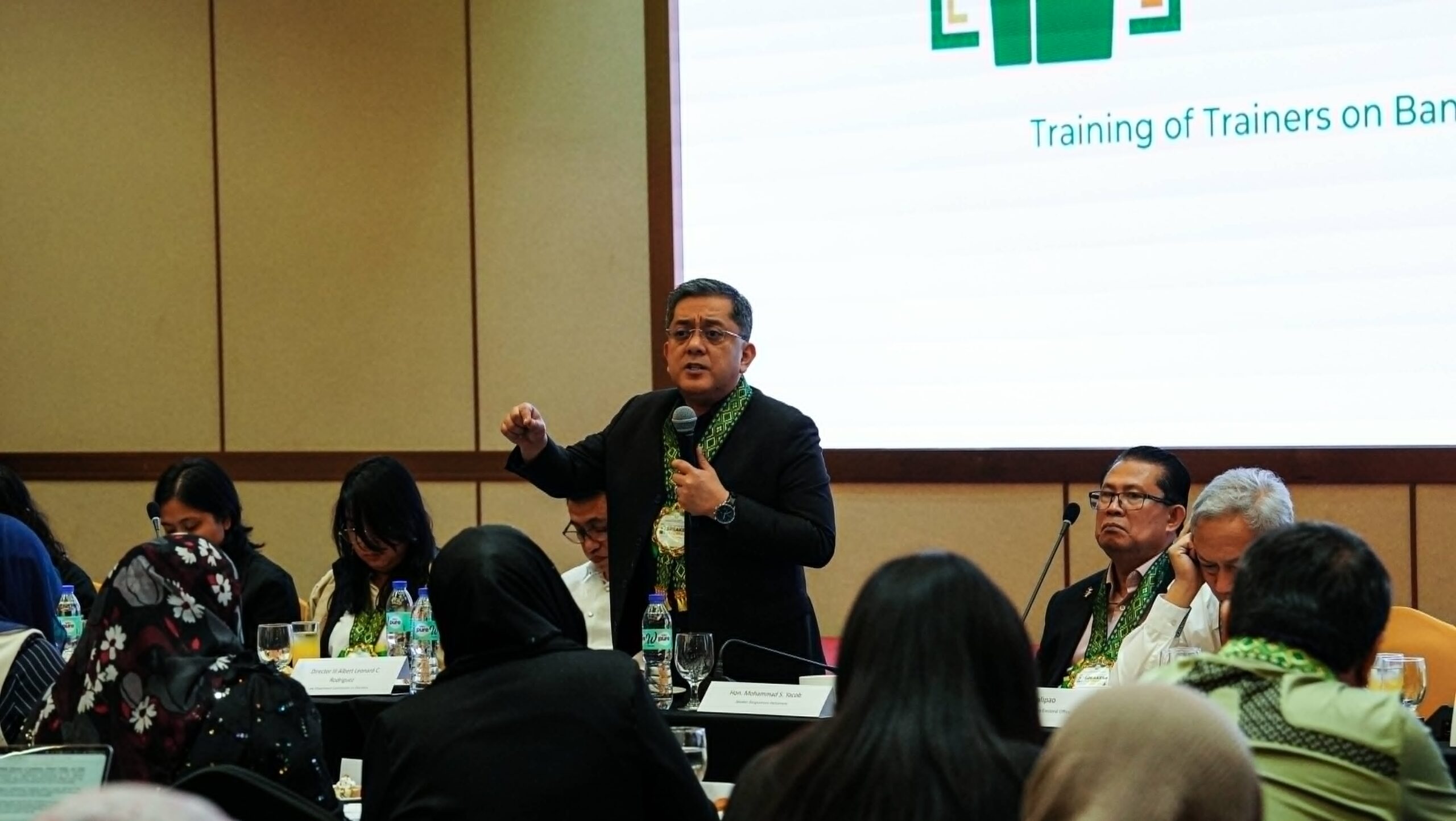
Comelec Chairman George Garcia said rumors claiming the Supreme Court ordered a postponement are false.
“Tuloy na tuloy ang halalan natin. Wag pong maniniwala sa fake news,” Garcia told reporters Aug. 4 in Davao City, addressing circulating claims about another potential delay.
Despite extensive voter education campaigns, the commission acknowledges misinformation remains the biggest challenge contributing to public confusion about the new parliamentary system.
“Habang paparating ang halalan dadami pa po yan kesyo nagwithdraw ang isang kandidato kesehodang ang isang political party na ito ay nagkaganto or nagkaganyan,” he said. (“As the election draws near, expect more of that — whether a candidate withdraws, or a political party stirs up trouble or creates a scene.”)
Gerardo Concepcion III, legislative committee secretary of the Bangsamoro Parliament, echoed concerns about an information gap ahead of election day.
“This is the first time Bangsamoro voters will participate in a parliamentary election,” Concepcion said.
He added, saying “What we want is for the voters to understand that this election is not just historical, it will also dictate the future of the Bangsamoro.”
Electoral code
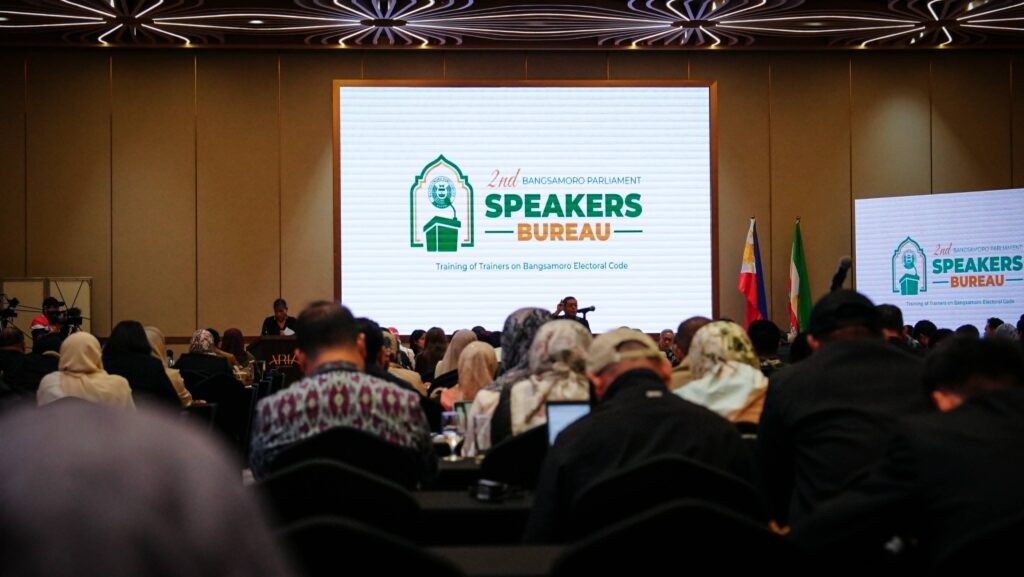
About 170 participants attended the 2nd Bangsamoro Parliament Training of Trainers on the Bangsamoro Electoral Code to help educate voters and counter misinformation.
Some 2.39 million registered voters will elect 80 parliament members across 5,212 precincts in 105 municipalities and two cities. Of those seats, 40 go to regional parliamentary political parties, 32 through single districts, and eight through reserved sectoral representation.
During the training, participants raised questions about interpreting key provisions of the Bangsamoro Electoral Code, including the computation of the 2.5 percent vote threshold required for political parties.
Garcia said it was crucial for election educators to share a common understanding of the electoral rules before disseminating them to communities, as voter education would directly affect how ballots are completed.
“If there are differing interpretations on how to compute the 2.5 percent, it gives more reason for our constituents without access to information to struggle gaining deeper knowledge about the matter,” Garcia said.
Security concerns
As of July 29, the commission identified 26 areas under the Red Category for serious armed threats, primarily in Lanao del Sur (21), Maguindanao del Sur (2) and one each in Basilan, Maguindanao del Norte and the Special Geographic Areas.
Another 23 areas fall under the Orange Category, 41 under Yellow for history of election incidents, and 18 under Green with no security concerns.
Tawi-Tawi remains the only province with no areas in the yellow, orange or red categories.
Polling places open at 5 a.m. for seniors, persons with disabilities and pregnant voters, continuing until 7 p.m.
Approximately 3,000 Philippine National Police personnel stand by as Electoral Board members if needed. (davaotoday.com)


